




Best value New Zealand car rental from top brands








New Zealand car hire tips

Where to pick up your car rental
There are over 35 car rental locations in New Zealand, and the most popular city is Auckland.

Top car rental brands
The most popular car rental brands in New Zealand are Ezirent, Ace, Thrifty, Jucy and GO Rentals.

Best time to hire a car
The cheapest months to pick up your car hire in New Zealand are May and September.

Local currency
New Zealand Dollar (NZD)

Side of road
Left
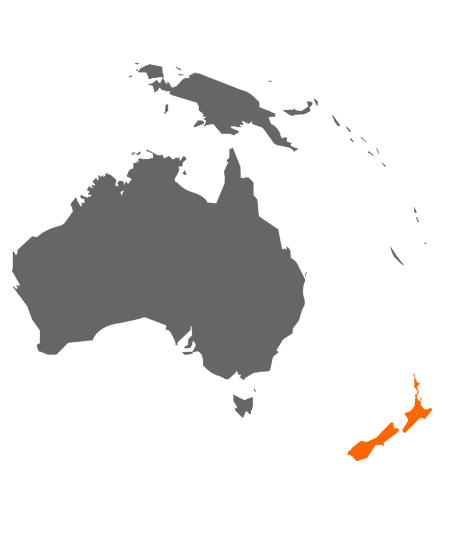
Hire a car in New Zealand
From mile-wide beaches to mile-high mountains, New Zealand is bursting with photograph-worthy landscape.
New Zealand’s two main islands and islet-studded surroundings present a bounty of epic landscapes and breathtaking experiences. While this is great for the pleasure-seeking holidaymaker, the wilderness of New Zealand doesn’t make it easy to get from place to place without a car.
So, rent a car with easyCar when you get off the plane and hit the ground running. We’ll find you the best price from over 15 car rental brands at all major airports and cities across the country.
Frequently Asked Questions about Car Hire in New Zealand
Question: Why is renting a car in New Zealand great for my holiday?
Short answer: New Zealand, with its dramatic fjords, snow-capped mountains, pristine beaches, geothermal wonders, and Middle-earth landscapes, is a country purpose-built for road trips. From the majestic Milford Sound to the adventure capital of Queenstown, car hire in New Zealand offers the freedom to explore one of the world’s most stunning countries at your own pace.
Renting a car in New Zealand is essential for experiencing the true magic of this spectacular island nation. While New Zealand’s major cities have public transport, the country’s greatest treasures lie between them, note least the remote beaches, mountain passes, hiking trails, scenic viewpoints, and filming locations from The Lord of the Rings and The Hobbit. New Zealand comprises two main islands packed with incredible diversity: volcanic landscapes, glaciers, rainforests, alpine meadows, and golden beaches, all within relatively short driving distances. A rental car gives you the freedom to explore beyond tourist hubs, stop at roadside viewpoints for photos, detour to hidden waterfalls, and chase perfect weather to different regions. Whether you’re driving through the Southern Alps, exploring geothermal Rotorua, wine tasting in Marlborough, or hiking in Fiordland, a car transforms your New Zealand holiday from a series of organized tours into an unforgettable self-guided adventure through some of Earth’s most breath taking scenery.
Question: What are the main benefits of car hire in New Zealand?
Short answer: The benefits of car hire in New Zealand are substantial:
- Freedom and Flexibility: Create your own itinerary and explore at your own pace without being constrained by tour group schedules or limited public transport.
- Access to Remote Beauty: Reach national parks, hidden beaches, mountain passes, hot springs, and scenic viewpoints that are completely inaccessible by public transport.
- Manageable Distances: New Zealand is compact compared to Australia or the USA – you can drive from one coast to another in a few hours, allowing diverse landscapes in short distances.
- Scenic Routes: Experience legendary drives like the Milford Road (often called the world’s most beautiful drive), the Coastal Pacific, the Forgotten World Highway, and countless winding mountain passes.
- Adventure Access: Reach world-class hiking trails, ski fields, bungee jumping sites, and adventure sports locations that define New Zealand’s outdoor culture.
- Wildlife Encounters: Stop for fur seals, penguins, dolphins, and unique New Zealand birds like kiwis, keas, and takahes in their natural habitats.
- Cost-Effective for Groups: When traveling with family or friends, car rental is more economical than multiple tour bookings or bus tickets.
- Weather Flexibility: New Zealand weather changes rapidly, so having a car allows you to chase sunshine or adapt plans based on conditions.
- Lord of the Rings Tourism: Access dozens of filming locations scattered across both islands, from Hobbiton to Edoras to Rivendell.
Question: What types of car rental companies operate in New Zealand?
Short answer: New Zealand is well-served by both international and local car rental companies. You’ll find globally recognized brands such as Hertz, Avis, Budget, Europcar, Thrifty, and Alamo operating at all major airports and cities. Additionally, New Zealand has excellent local specialists like Ace Rent a Car (the most popular budget brand with average prices under NZD $40 per day), Jucy (known for colourful campervans), GO Rentals, Apex, and Omega, which often offer significantly better value than international brands. Many companies also specialize in campervans and motorhomes, which are extremely popular for exploring New Zealand and combine transport with accommodation. Car hire price comparison sites like easyCar help with bookings with providers like these, ensuring you get the best car hire deals across New Zealand’s stunning geography.
Question: What vehicle types are available for car hire in New Zealand?
Short answer: New Zealand offers a comprehensive range of vehicles suited to the country’s well-maintained road network. Options include:
- Economy/Compact Cars: Ideal for sealed roads and the most popular choice (e.g., Toyota Corolla, Hyundai i30). Despite New Zealand’s rugged appearance, these handle 95% of tourist routes perfectly.
- Mid-size/Full-size Cars: Comfortable for longer journeys and small families (e.g., Toyota Camry, Mazda 6).
- SUVs: Popular for winter driving to ski fields and perceived comfort, though not essential for most routes (e.g., Toyota RAV4, Nissan X-Trail).
- 4WD Vehicles: Necessary only for specific remote areas, some Department of Conservation campsites, and unsealed roads in places like Skippers Canyon near Queenstown.
- Campervans/Motorhomes: Extremely popular in New Zealand, ranging from small 2-person vans to large 6-berth motorhomes, combining transport and accommodation.
- Station Wagons/Estates: Great for families with luggage and equipment like bikes or camping gear.
- People Movers: 7, 8 or 9 seater vehicles ideal for larger families or groups.
Important Note: Automatic transmission is standard in New Zealand. Manual vehicles are available but less common than in Europe. Despite New Zealand’s mountainous terrain, the roads are generally excellent sealed highways. You do not need a 4WD or SUV unless specifically venturing to remote unsealed roads. An economy car is perfectly adequate for the famous tourist routes including Milford Road, the Great Coast Road, and all major highways.
Question: Can I get a car rental in Auckland, New Zealand?
Short answer: Yes, car rental in Auckland is extensively available at Auckland Airport (AKL), New Zealand’s largest and busiest international gateway handling 21 million passengers annually, as well as numerous locations throughout the city centre. All major international and New Zealand rental companies operate here, offering the country’s widest selection of vehicles.
Detailed Auckland Information: Auckland, with 1.7 million residents, is New Zealand’s largest city. It is home to almost a third of the country’s entire population. Unlike many capital cities, Auckland is actually New Zealand’s economic centre (the capital is Wellington). The city sprawls across a narrow isthmus between two harbours , the Waitemata Harbour facing the Pacific Ocean and the Manukau Harbour facing the Tasman Sea. This unique geography means you’re never far from water, and the city is famously built on 48 volcanic cones that dot the landscape, providing excellent viewpoints.
Auckland Airport: Auckland Airport is located 21km south of the city centre in Mangere, positioned between the two harbours. The airport has two terminals, the International Terminal (larger, handling all international flights) and the Domestic Terminal (handling Air New Zealand and other domestic carriers). The terminals are connected by a free shuttle bus that runs every 15 minutes. Car rental companies have desks in both terminals, though most concentrate in the International Terminal. The rental car parks are located directly across the road from the Domestic Terminal, with a covered walkway connecting them. Most companies provide a shuttle to their lots if renting from the International Terminal.
Driving in Auckland: Auckland has New Zealand’s worst traffic congestion, particularly during peak hours (7:30-9:30am and 4:30-6:30pm weekdays). The city sprawls enormously, and the motorway network, while modern, becomes heavily congested. The Auckland Harbour Bridge connects the city centre to the North Shore and can have significant delays. Parking in the central area is expensive (often NZD $20-30 per day) and can be difficult to find. Many visitors choose to spend their first day or two exploring central Auckland on foot or using public transport, then collect their rental car when leaving the city.
What Makes Auckland Special: Auckland is nicknamed “The City of Sails” because it has the highest boat ownership per capita in the world. The Viaduct Harbour and Wynyard Quarter showcase this maritime culture with luxury yachts, waterfront restaurants, and the New Zealand Maritime Museum. The city has a distinctly Polynesian character. With over 180,000 Pacific Islanders, Auckland is the world’s largest Polynesian city, larger than any city in the Pacific Islands themselves.
Essential Day Trips from Auckland: A rental car unlocks spectacular destinations surrounding Auckland. Just 90 minutes south lies Hobbiton Movie Set in Matamata, which is the actual filming location for The Shire in The Lord of the Rings and The Hobbit trilogies. The rolling green hills are still dotted with 44 hobbit holes, the Mill, the Green Dragon Inn, and the Party Tree. The attention to detail is remarkable, and the tour includes a complimentary drink at the Green Dragon. This is one of New Zealand’s most visited attractions, so do book well in advance, especially in summer.
Rotorua (3 hours south): This geothermal wonderland features boiling mud pools, shooting geysers, steaming lakes, and the overwhelming smell of sulphur. Te Puia showcases the famous Pohutu Geyser (erupts up to 20 times daily) and offers Maori cultural performances including the traditional hangi feast. The Redwoods (Whakarewarewa Forest) has giant California Redwoods planted in 1901, now towering over beautiful walking and mountain biking trails. Don’t miss the Redwoods Tree walk that has suspended bridges through the forest canopy that are spectacular when illuminated at night.
Bay of Islands (3 hours north): This stunning maritime playground comprises 144 islands scattered in azure waters. Paihia is the main tourist town, but historic Russell (accessible by car ferry) is more charming. It’s New Zealand’s first capital and a former whaling port with lovely colonial buildings. The Waitangi Treaty Grounds (where New Zealand was founded in 1840) tell the nation’s founding story through excellent museums and cultural performances. The Bay of Islands offers world-class game fishing, sailing, dolphin watching (you can also swim with wild dolphins), and visits to the famous Hole in the Rock.
Coromandel Peninsula (90 minutes east): This rugged peninsula features some of New Zealand’s most beautiful beaches. Cathedral Cove, accessible by a 30-minute coastal walk, is a stunning natural rock archway opening onto a white sand beach (featured in the Narnia films). Hot Water Beach is unique as for 2 hours either side of low tide, you can dig your own hot pool in the sand as thermal springs bubble up. Bring a spade (or rent one from cafes) and towels. The drive along the coastal road from Thames to Whitianga is scenic with numerous beach stops.
West Coast Beaches (45-90 minutes): The Waitakere Ranges Regional Park features dramatic black sand beaches pounded by Tasman Sea surf. Piha Beach is the most famous and popular with surfers and featuring the iconic Lion Rock. The nearby Kitekite Falls (40-minute return walk) is a beautiful three-tier waterfall. Muriwai Beach (50 minutes) has a huge gannet colony on the rocks where thousands of these seabirds nest here from August to March, and the viewing platforms bring you remarkably close.
Waiheke Island: While accessible by passenger ferry (40 minutes from downtown Auckland), you can also take your rental car on the vehicle ferry from Half Moon Bay (slower, more expensive, but convenient). Waiheke is Auckland’s wine island with over 30 boutique wineries produce excellent wines, particularly reds. Many wineries have restaurants with spectacular sea views. The island also has beautiful beaches, art galleries, and a relaxed Mediterranean atmosphere. Alternatively, rent a car on Waiheke itself for exploring.
Auckland’s Volcanic Cones: Within the city, several volcanic cones provide panoramic views. Mount Eden (Maungawhau) is the highest, with 360-degree views over the city, both harbours, and on clear days to the distant Coromandel Peninsula. The symmetrical crater is remarkably deep. One Tree Hill (Maungakiekie) in Cornwall Park is another excellent viewpoint with historical significance to Maori. Rangitoto Island, Auckland’s youngest volcano (erupted just 600 years ago), is accessible by ferry and the 1-hour walk to the summit offers spectacular harbour views.
Driving Tips for Auckland: If collecting at the airport, the main route into the city is State Highway 20A which connects to the motorway network. Be prepared for toll roads as the Northern Gateway Toll Road north of Auckland charges around NZD $2.40 each way. Most rental companies provide electronic toll payment, so clarify this when collecting your car and if needs be get a toll pass. Auckland drivers are generally courteous, but the motorways can be confusing with frequent lane changes required. Use a GPS navigation device to help navigate – ask when picking up your car rental.
Question: Where can I find car rental in Wellington, New Zealand?
Short answer: Car rental in Wellington is readily available at Wellington Airport (WLG), located just 5km southeast of the city centre, making it one of the world’s closest airports to a capital city centre. All major international and New Zealand rental companies operate here, with Wellington serving as the gateway between the North and South Islands.
Detailed Wellington Information: Wellington, New Zealand’s capital with 215,000 residents (making it the country’s second-smallest capital city after Canberra), punches well above its weight in culture, cuisine, and creativity. Built on steep hills surrounding a magnificent natural harbour, Wellington is compact, walkable, and famously windy earning itself the nickname “Windy Wellington.” The city has transformed from a sleepy government town into a vibrant cultural capital with thriving arts, craft beer, specialty coffee culture, and world-class restaurants. Wellington is also the centre of New Zealand’s film industry—Weta Workshop and Weta Digital (which created visual effects for The Lord of the Rings, The Hobbit, Avatar, and countless other films) are based here, and director Peter Jackson lives in the city.
Wellington Airport Experience: Wellington Airport is one of the world’s most scenic, and occasionally challenging to land at. Built on the narrow Miramar Peninsula, the runway sits between hills and harbour. Approaching aircraft often experience turbulence from the wind funnelling through Cook Strait, and the final approach over Wellington Harbour with the city rising on hills provides a spectacular introduction to the capital. The airport is remarkably close to the city centre, just 5km away, making it exceptionally convenient. The airport is compact and easy to navigate, with domestic and international flights operating from the same terminal. Car rental companies have desks in the arrivals area, with rental car parks located directly adjacent to the terminal building using a short covered walk. The drive into the city centre takes 10-15 minutes via the airport tunnel.
Wellington’s Character: Wellington feels like a small European city transported to the South Pacific. The compact central area is built on reclaimed land and squeezed between harbour and hills, with colourful wooden houses climbing the steep slopes. The city has a bohemian, creative atmosphere. Cuba Street is the cultural heart consisting of a pedestrianized street lined with vintage clothing stores, bookshops, quirky cafes, street performers, and the iconic “Bucket Fountain” sculpture. Wellington has more cafes and restaurants per capita than New York City, and the quality is exceptional. The craft beer scene is equally impressive with dozens of microbreweries.
Why Wellington Drives Need a Car: While Wellington city itself is compact and walkable, a rental car unlocks the spectacular surrounding regions. The Wairarapa region over the Rimutaka Range offers completely different landscapes and experiences. The Kapiti Coast to the north provides beautiful beaches. The remote Cape Palliser showcases New Zealand’s raw coastal beauty. For those taking the ferry to the South Island, having a car allows you to bring your vehicle across and continue your road trip seamlessly.
Te Papa Tongarewa (National Museum): Before leaving Wellington, visit Te Papa, New Zealand’s national museum on the waterfront. It’s world-class, interactive, and completely free. Exhibitions cover New Zealand’s natural history, Maori culture and treasures, the country’s colonial history, and rotating international exhibitions. The earthquake simulation and the colossal squid specimen are highlights. Allow 2-4 hours minimum.
Wellington Cable Car: This iconic red cable car climbs from Lambton Quay up through Victoria University campus to the Botanic Garden. The 5-minute ride offers escalating city and harbour views. At the top, the Cable Car Museum is free, and the Botanic Garden sprawls across the hillside with walking paths, rose gardens, and spectacular views. Walk down through the garden back to the city (30 minutes) or ride the cable car back down.
Martinborough Wine Region (90 minutes northeast): Drive over the dramatic Rimutaka Range to the Wairarapa region and the charming town of Martinborough, New Zealand’s premier Pinot Noir region. Over 20 vineyards cluster around this small town, most within walking or cycling distance of the town square. Many have excellent restaurants. The area is also known for artisan olive oils, cheeses, and craft producers. The drive over the Rimutaka Hill Road is spectacular with hairpin bends and stunning views, though it can be slow with caravans and campervans. On Sundays, the Greytown Farmers Market showcases local producers.
Kapiti Coast (45-60 minutes north): This beautiful coastline north of Wellington features long sandy beaches, charming beach towns like Paraparaumu and Waikanae, and views of Kapiti Island offshore. Kapiti Island is a predator-free bird sanctuary and one of New Zealand’s most important conservation areas. Access requires a permit (booked months in advance) and boat trip from Paraparaumu Beach. The island has healthy populations of rare native birds including kokako, kaka, and little spotted kiwi. Even without visiting the island, the Kapiti Coast has excellent beaches and the QE II Park in Paekakariki offers coastal walking tracks.
Cape Palliser (2.5 hours): This dramatic drive takes you to New Zealand’s North Island southernmost point. The journey along the rugged Wairarapa coast passes Lake Ferry (excellent fish and chips), the fishing village of Ngawi (with fishing boats hauled onto the beach by bulldozers), and New Zealand’s largest North Island fur seal colony where hundreds of seals lounge on rocks and in tidal pools. The Cape Palliser Lighthouse, painted in distinctive red and white stripes, sits atop a headland reached by climbing 250 steep steps. On clear days, you can see across Cook Strait to the South Island. The road also passes the striking Putangirua Pinnacles, tall and pointed rock formations in a valley that were used as the “Paths of the Dead” in The Lord of the Rings: The Return of the King.
Lord of the Rings Locations: Multiple filming locations lie within easy day-trip distance. Kaitoke Regional Park (40 minutes north) was Rivendell. While the sets are long gone, information panels mark where scenes were filmed, and the native beech forest is beautiful. Mount Victoria in Wellington itself served as the location where the Hobbits hid from the Black Rider in The Fellowship of the Ring. Harcourt Park in Upper Hutt (30 minutes) was the Gardens of Isengard.
Interislander Ferry to South Island: Wellington is the departure point for the Interislander and Bluebridge ferries to Picton in the South Island. The 3-hour crossing through Cook Strait and the Marlborough Sounds is one of the world’s most beautiful ferry journeys. You can take your rental car on the ferry (costs extra, book well in advance especially in summer), or drop off your car in Wellington and pick up a new rental in Picton. Many travellers find it easier to return the North Island car and rent a South Island car separately, as one-way rental fees can be expensive. The ferry itself is an experience where you can watch for dolphins and seabirds, enjoy the cafeteria or bar, and marvel at the Sounds scenery in the final hour.
Wellington Wind: Be prepared as Wellington truly is windy. The Roaring Forties (winds that circle the Southern Hemisphere) funnel through Cook Strait, and the city’s topography accelerates the wind. On windy days, hold onto car doors when opening, and be careful with loose items. The upside is that Wellington’s wind keeps the air crystal clear, so on fine days, the light is spectacular for photography.
Driving in Wellington: Wellington’s central zone is hilly with steep one-way streets. Parking in the city centre is challenging and expensive (NZD $20-25 per day). Many streets have resident-only parking. However, Wellington is small enough to walk around the centre and inner suburbs. If staying in the city, consider leaving your car at your accommodation and walking. Wellington’s public transport consists of buses and trains (the suburban railway serves the Hutt Valley and Kapiti Coast). The roads out of Wellington climb steeply into the surrounding hills and many residential streets have gradients that would be considered impassable in other countries.
Question: What are my options for car rental in Christchurch, New Zealand?
Short answer: Car rental in Christchurch is extensively available at Christchurch Airport (CHC), located 12km northwest of the city center, as well as throughout the city. All major international and New Zealand rental companies operate here, with Christchurch being the South Island’s primary international gateway and the second-busiest airport in New Zealand.
Detailed Christchurch Information: Christchurch, with 380,000 residents, is the South Island’s largest city and serves as the gateway to the island’s spectacular attractions. The city sits on the Canterbury Plains, a vast, flat agricultural region created by millennia of sediment from the Southern Alps being washed down rivers. Christchurch was traditionally New Zealand’s city most like a city in England, with Gothic Revival architecture, punting on the Avon River, formal gardens, and a conservative, genteel atmosphere. However, devastating earthquakes in September 2010 and February 2011 killed 185 people and destroyed much of the historic city centre. The rebuild has been slow but innovative, creating a modern city rising from the ruins with creative temporary structures, innovative architecture, and a more vibrant, forward-looking character.
The Earthquakes and Rebuild: The February 2011 earthquake (magnitude 6.3) was particularly destructive because the epicentre was shallow and close to the city. The iconic Christchurch Cathedral in Cathedral Square lost its spire and remains earthquake-damaged and surrounded by fencing. Its future fate to rebuild or demolish continues to be debated. However, the rebuild has created fascinating temporary and permanent structures. The Cardboard Cathedral, designed by Japanese architect Shigeru Ban, is built primarily from cardboard tubes and serves as the temporary cathedral, and is remarkably beautiful and innovative. The Re:START mall features shops in brightly painted shipping containers. New permanent buildings showcase contemporary architecture. The resilience and innovation of Christchurch’s rebuild is inspiring.
Christchurch Airport: Christchurch Airport is modern, efficient, and was rebuilt/reinforced after the earthquakes. The airport has domestic and international terminals connected by a walkway. Car rental companies have desks concentrated in the domestic terminal, with rental car parks located adjacent. The drive into the city centre takes 15-20 minutes via Memorial Avenue. Traffic is generally light, and compared to Auckland, Christchurch is easy to navigate by car.
Christchurch City Highlights: The Avon River winds through the city centre, lined with weeping willows. Punting on the Avon (being poled along in a flat-bottomed boat by someone in Edwardian dress) is touristy but charming. The Christchurch Botanic Gardens, established in 1863, sprawl across 21 hectares with beautiful collections including rose gardens, native plants, and a lovely conservatory. The New Regent Street is a colourful Spanish Mission-style street of shops and cafes, beautifully restored. The Christchurch Tramway, a heritage tram, loops through the city providing a tourist overview.
The Port Hills and Lyttelton: South of Christchurch, the Port Hills (remnants of an ancient volcano) rise dramatically. The Summit Road provides spectacular views over Christchurch, the Canterbury Plains, and Banks Peninsula. Lyttelton, on the harbour side of the hills, is Christchurch’s port town with a bohemian, artistic character, excellent cafes, and the Lyttelton Farmers Market (Saturdays). The drive over Evans Pass from Christchurch to Lyttelton is scenic, and you can return via the Lyttelton Road Tunnel (toll).
Akaroa and Banks Peninsula (90 minutes): This is one of Christchurch’s best day trips. Banks Peninsula is a volcanic peninsula jutting into the Pacific, with Akaroa nestled in a deep harbour that’s actually a flooded volcanic crater. Akaroa has a distinct French character as it was settled by French colonists in 1840 (though the British got there just days earlier and claimed sovereignty). The town has French street names, French-influenced architecture, and excellent French bakeries and restaurants. The harbour is home to Hector’s dolphins who are the world’s smallest and rarest dolphin species, and are endemic to New Zealand. Swimming with dolphins tours operate daily (recommended to book ahead). The drive to Akaroa crosses the summit of the peninsula with stunning harbour views, passes through charming bays, and returns via different roads for variety.
The Southern Alps and Arthur’s Pass (2 hours west): Drive inland toward the Southern Alps through agricultural Canterbury Plains, watching the mountains grow larger and more dramatic. Arthur’s Pass village sits at 737 meters in the heart of the mountains. Arthur’s Pass National Park has excellent hiking trails ranging from short walks to the Avalanche Peak track (6-8 hours return, strenuous but spectacular). The Devil’s Punchbowl waterfall (1 hour return walk) is also beautiful. Keas (cheeky alpine parrots) are common and will investigate cars and backpacks. These highly intelligent birds are endemic to New Zealand and endangered, and it is important to not feed them. The drive continues over Arthur’s Pass (922 meters) and descends dramatically to the West Coast. This is one of New Zealand’s most spectacular drives through beech forest, past waterfalls, and alongside the Waimakariri River gorge.
Hanmer Springs (90 minutes north): This alpine village is New Zealand’s premier thermal resort. Hanmer Springs Thermal Pools & Spa has multiple hot pools of varying temperatures, sulphur pools, freshwater pools, and water slides are all set against a backdrop of mountains. The water is naturally heated, reaching the surface at 55°C. It’s extremely popular and can be crowded in peak season. The village has good restaurants and accommodation. In winter, the nearby ski fields attract visitors. The drive from Christchurch crosses farmland before climbing into forested mountains.
Kaikoura (2.5 hours north): This spectacular coastal town sits between mountains and ocean. Kaikoura is world-renowned for whale watching and sperm whales are present year-round, often swimming close to shore due to the deep Kaikoura Canyon just offshore. Whale watching tours are expensive but extraordinary (boat or scenic flight options). Dolphins, fur seals, and seabirds are also abundant. The Kaikoura Peninsula Walkway is a beautiful 3-hour coastal walk with seal colonies, rocky coastline, and mountain views. The town is also famous for crayfish (lobster), and you can try it fresh from roadside caravans or restaurants.
Driving to Queenstown: Many visitors drive from Christchurch to Queenstown (6 hours via Lindis Pass, or 7+ hours via the more scenic West Coast route). The Lindis Pass route follows State Highway 1 south through Canterbury, then cuts inland via Lindis Pass through stunning tussock-covered mountains. The West Coast route crosses Arthur’s Pass, follows the rugged West Coast past glaciers, then cuts inland through Haast Pass, it is longer but incredibly scenic.
Canterbury Plains and Farms: The Canterbury region is New Zealand’s agricultural heartland. Driving through the plains, you’ll see endless sheep and dairy farms, pivot irrigators creating giant green circles, and in summer, golden wheat fields stretching to horizons. The plains are arrow-straight with roads lined by shelterbelts (rows of trees planted to block wind).
Christchurch Driving Tips: Christchurch is New Zealand’s easiest major city to drive in. The city is flat (unlike Wellington or Dunedin), laid out on a grid pattern (unlike Auckland’s sprawl), and has good modern roads. Traffic is generally light except during rush hours (8-9am, 5-6pm). Parking in the centre of the city is affordable and available, though still easier in parking buildings than on-street. Do watch for cyclists, as Christchurch is New Zealand’s cycling capital with many dedicated cycle lanes.
Question: Is car rental available in Queenstown, New Zealand?
Short answer: Yes, car rental in Queenstown is widely available at Queenstown Airport (ZQN), located just 8km from the town centre with stunning mountain approaches, as well as throughout Queenstown town itself. All major rental companies operate here, with Queenstown being the South Island’s second-busiest airport and New Zealand’s adventure capital.
Detailed Queenstown Information: Queenstown (population 15,000, swelling to 40,000+ with tourists) is New Zealand’s premier resort town and the self-proclaimed “Adventure Capital of the World.” The setting is spectacular beyond description, being built around the shores of Lake Wakatipu (New Zealand’s longest lake), surrounded by dramatic mountain ranges including The Remarkables, with the lake’s distinctive zigzag shape creating ever-changing vistas. Queenstown invented commercial bungee jumping and offers virtually every adventure activity imaginable: bungee, skydiving, paragliding, jet boating, white-water rafting, skiing, mountain biking, hiking, and more. The town has evolved from a gold rush settlement (1860s) to a sleepy backwater to the international resort it is today.
Queenstown Airport Experience: Queenstown Airport is one of the world’s most scenic, and challenging, to land at. Built on a plateau above the town, surrounded by mountains, the approach requires pilots to have special certification due to the terrain. On clear days, the views during landing over The Remarkables and Lake Wakatipu are extraordinary. The airport is small but modern, handling both domestic and international flights (primarily from Australia). Car rental companies have desks in the small terminal building, with rental car parks adjacent. The drive into Queenstown town takes just 10 minutes via Frankton and the lake edge. However, be warned as the Frankton Road into town becomes heavily congested during peak times (morning, late afternoon, and especially winter weekday mornings when ski field workers commute).
Why Queenstown is Special: Queenstown has a unique international atmosphere unlike anywhere else in New Zealand. In summer, the town swells with backpackers from around the world working in hospitality and seeking adventure. In winter (June-September), it transforms into an alpine resort town with international ski tourists. The town centre is compact and walkable, with Shotover Street and Church Street lined with restaurants, bars, adventure activity booking offices, and souvenir shops. The lakefront has a beautiful walking path, beach area, and the iconic Queenstown Bay with its distinctive pier and mountain backdrop. Despite being touristy, Queenstown is genuinely beautiful and the adventure opportunities are world-class.
Lake Wakatipu: This remarkable S-shaped lake is 80km long, up to 380 meters deep, and sits at 310 meters altitude. Its unusual shape and the surrounding mountains create a natural phenomenon where the lake level rises and falls by about 10cm every 5 minutes due to atmospheric pressure changes and seiche (standing waves). Maori legend says the lake was carved by a giant burning in the mountains, and his heart still beats, causing the water level fluctuations. The water is crystal clear but cold (8-12°C year-round) due to glacier-fed rivers.
Driving from Queenstown – Essential Road Trips: A rental car unlocks the stunning Central Otago and Fiordland regions surrounding Queenstown.
Milford Sound (290km, 4 hours each way): This is New Zealand’s most famous natural attraction of a dramatic fjord where waterfalls cascade down sheer 1,200-meter cliffs, mountains rise vertically from dark water, and rainforests cling to near-vertical slopes. Rudyard Kipling called it “the eighth wonder of the world.” The drive from Queenstown is equally spectacular, travelling along Lake Wakatipu, through the beautiful mountain town of Te Anau (last fuel stop), then the Milford Road (State Highway 94). The final section through Fiordland National Park is one of the world’s great drives: past Mirror Lakes, through the avenue of beech forest, across the divide to the spectacular Eglinton Valley, through the hand-hewn Homer Tunnel, and emerging with Milford Sound spread below. Allow a full day, so you depart early and can take a 2-hour Milford Sound cruise, then return by evening. The road can close in winter due to avalanche danger, so always check conditions. Fuel up before leaving Queenstown or Te Anau.
Arrowtown (20 minutes): This charming historic gold rush town from the 1860s has retained its character with restored miners’ cottages, wooden storefronts, and a museum. The main street (Buckingham Street) is lined with sycamores and oaks that turn spectacular gold in autumn (April). The Chinese Settlement behind the town tells the story of Chinese miners. The Arrow River has beautiful walking tracks and in autumn, the gold and red foliage reflected in the clear water is magical. Arrowtown has excellent cafes, restaurants, and galleries.
Glenorchy and Paradise (45 minutes): Drive along Lake Wakatipu’s northwestern shore to tiny Glenorchy—a spectacularly scenic drive with mountains rising steeply from the lake. Glenorchy village is small but charming with a lovely setting. Continue 20km on unsealed road to Paradise, it is literally the end of the road, where several Lord of the Rings locations were filmed including the Ithilien Camp and scenes from Isengard. The beech forest and mountain scenery are extraordinary. This area is extremely remote, so do bring provisions and fuel.
Skippers Canyon: This spectacular gorge requires a 4WD and nerves of steel as the road is narrow, unsealed, built into cliff faces, with sheer drop-offs and no barriers. Many rental car insurance policies explicitly exclude Skippers Canyon Road due to the risk. However, the scenery is breath taking, where the old gold mining road clings to canyon walls 100 meters above the Shotover River. If you don’t have a 4WD or aren’t comfortable with extreme roads, take a commercial tour.
Wanaka (60 minutes): Drive over the Crown Range Road (New Zealand’s highest sealed road at 1,121 meters) to the lovely town of Wanaka on Lake Wanaka. The Crown Range Road has spectacular mountain views but can be closed in winter. There is an alternative route via Cromwell that is longer but easier. Wanaka is quieter than Queenstown with a similar beautiful lake setting. The famous “Wanaka Tree” (a willow growing in the lake) is heavily photographed. Mount Aspiring National Park provides excellent hiking.
Cromwell and Bannockburn (45 minutes): Drive through the dramatic Kawarau Gorge to Cromwell, the centre of Central Otago’s wine region. The landscape changes from mountains to high-altitude, semi-arid basins with hot summers and cold winters that are perfect for Pinot Noir. Numerous cellar doors cluster around Bannockburn. This region produces some of New Zealand’s best Pinot Noir. The historic Cromwell town was partly flooded when the Clyde Dam created Lake Dunstan, but heritage buildings were relocated to a recreated heritage precinct.
Queenstown Ski Fields: In winter, Queenstown becomes New Zealand’s premier ski destination. The Remarkables ski field (30 minutes) offers dramatic mountain skiing with views over Lake Wakatipu. Coronet Peak (20 minutes) is closer and gets morning sun. Cardrona (60 minutes over Crown Range) is a large resort with good terrain. Treble Cone near Wanaka (90 minutes) has the South Island’s longest vertical drop. Most fields operate June-September, occasionally longer depending on the snow cover.
Adventure Activities from Queenstown: While these don’t require a car as operators usually provide transport, Queenstown is the base for bungee jumping (Kawarau Bridge where commercial bungee was invented, or the Nevis at 134 meters being NZ’s highest), jet boating (Shotover Jet through narrow gorges), skydiving (12,000-15,000 feet), paragliding (tandem flights from Bob’s Peak), white-water rafting (Shotover or Kawarau rivers), and canyon swinging. The Skyline Gondola climbs Bob’s Peak above Queenstown for panoramic views, and at the top, the Luge offers gravity-powered go-kart riding down purpose-built tracks.
Queenstown Driving and Parking: Queenstown is compact, but parking is challenging and expensive in summer. The town centre has paid parking ($4-6 per hour) with time limits. Staying outside the town centre (Frankton or Arrowtown) can be more economical and peaceful. Traffic congestion is New Zealand’s worst outside Auckland, and the Crown Range Road on winter mornings and the Frankton Road during rush hours can have significant delays. Plan accordingly.
When to Visit: Queenstown has two peak seasons. Summer (December-February) offers warm weather, long days, and all activities operating, though it’s crowded and expensive. Winter (June-August) brings skiing, snow-covered mountains, and a magical alpine atmosphere, but it’s even more crowded and expensive. Shoulder seasons (March-May, September-November) offer good value, fewer crowds, and in autumn, spectacular foliage colours.
Question: Where can I find car rental in Dunedin, New Zealand?
Short answer: Car rental in Dunedin is readily available at Dunedin Airport (DUD), located 27km southwest of the city centre, as well as throughout Dunedin city. Major international and New Zealand rental companies operate here, with Dunedin serving as the gateway to Otago and the spectacular Catlins region.
Detailed Dunedin Information: Dunedin (population 130,000) is New Zealand’s southernmost city and has a unique character shaped by its Scottish heritage. Founded by settlers from Scotland in 1848 and named after the Scottish Gaelic name for Edinburgh (Dùn Èideann), Dunedin retains strong Scottish character visible in street names (George, Princes, Stuart, Moray), architecture, and the country’s only whisky distillery and kilt shop. The city was New Zealand’s wealthiest during the 1860s Otago gold rush, and this wealth created stunning Victorian and Edwardian architecture that still dominates the city. Today, Dunedin is a vibrant university city. The University of Otago (founded 1869) is New Zealand’s oldest and its students comprise 20% of the local population, giving the city energy and cultural vitality despite its small size.
Dunedin’s Setting: The city sits at the head of Otago Harbour, surrounded by dramatic hills (remnants of an ancient volcano). The geography creates a unique “amphitheatre” setting with the city centre on flat land and suburbs climbing steeply up the surrounding hills. This creates some of the world’s steepest residential streets, including Baldwin Street that lays claim to be officially the world’s steepest street at a gradient of 19 degrees (35%). The harbour is long and narrow, sheltered by the Otago Peninsula which creates excellent habitat for rare wildlife.
Dunedin Airport: Dunedin Airport sits on Taieri Plain 27km southwest of the city, a flat agricultural area that provides excellent conditions for the airport. The airport is small and regional, handling primarily domestic flights with some international flights to Australia. Car rental companies have desks in the small terminal building, with rental car parks adjacent. The drive into Dunedin city takes 25-30 minutes via State Highway 1 then State Highway 87, passing through South Dunedin and along the harbour edge into the city.
Dunedin City Highlights: The Octagon is Dunedin’s city centre, an eight-sided plaza with a statue of Scottish poet Robert Burns at its centre. St. Paul’s Anglican Cathedral (Gothic Revival, 1919) overlooks the Octagon. Dunedin’s Victorian and Edwardian architecture is remarkable. The Dunedin Railway Station (1906) is New Zealand’s most photographed building with its Flemish Renaissance style, mosaic floors, and stained glass. The First Church (1873) is an impressive Gothic Revival church. Larnach Castle on the Otago Peninsula is New Zealand’s only castle and in the style of a Victorian Gothic mansion that was built 1871-1887 by merchant baron William Larnach, with beautiful gardens and tragic history.
University of Otago: The university campus spreads through North Dunedin with beautiful bluestone buildings, including the iconic Clock Tower Building. The city has a distinct student atmosphere during term time (February-November) with numerous cafes, bars, and music venues catering to students. The student quarter around Castle Street and Hyde Street comes alive at night.
Baldwin Street: Located in the suburb of Northeast Valley, Baldwin Street holds the Guinness World Record as the world’s steepest street. The street climbs 47 meters over 161 meters and dizzying a gradient of 1 in 2.86 at its steepest. Climbing to the top is a quintessential Dunedin tourist experience. Each year the “Gutbuster” race sees hundreds of runners race up and down. In winter, students have been known to use the street as a ski slope (illegal and dangerous). Driving up is possible and provides good photos, but walking is more impressive.
Otago Peninsula (30-45 minutes): This spectacular peninsula protects Otago Harbour and provides some of New Zealand’s best accessible wildlife viewing. The dramatic road along the peninsula’s ridge offers stunning harbour and ocean views.
Royal Albatross Centre at Taiaroa Head: The peninsula’s tip hosts the world’s only mainland breeding colony of Northern Royal Albatross. These magnificent seabirds have wingspans up to 3 meters and can live over 60 years. The centre offers tours to view nesting albatross (best September-February when chicks are present). The headland also has a historic fort and New Zealand’s oldest lighthouse.
Yellow-Eyed Penguin Viewing: The Otago Peninsula has several sites to view yellow-eyed penguins (hoiho), one of the world’s rarest penguin species with fewer than 4,000 remaining. Penguins come ashore at dusk after fishing all day. Viewing hides at Sandfly Bay and the Penguin Place provide ethical wildlife viewing. Booking ahead is highly recommended.
Fur Seals and Sea Lions: Multiple locations on the peninsula have fur seal colonies. New Zealand sea lions also haul out on beaches, do take care as these are much larger than fur seals and can be aggressive, especially during breeding season. Keep your distance (minimum 20 meters). Pilots Beach near Taiaroa Head often has sea lions resting on the beach.
Penguin Viewing at Oamaru (90 minutes north): The harbour town of Oamaru has excellent penguin viewing. Little Blue Penguins (the world’s smallest penguin species) nest in the harbour area and come ashore at dusk in groups called “rafts.” Viewing platforms allow close observation. The town also has a well-preserved Victorian precinct with beautiful limestone buildings, steampunk culture, and artisan producers. The drive from Dunedin to Oamaru follows the scenic Pacific coast.
The Catlins (90 minutes-2 hours southwest): This remote, rugged region between Dunedin and Invercargill is one of New Zealand’s hidden gems. Dense native forest meets wild coastline with waterfalls, caves, wildlife, and few tourists. Key highlights include:
- Nugget Point: A dramatic lighthouse on a headland surrounded by rocky islets (nuggets). Fur seals, sea lions, elephant seals, and various seabirds inhabit the area. The sunrise here is magical.
- Cathedral Caves: Enormous sea caves accessible only at low tide (2 hours either side). The main cave is 30 meters high and 200 meters long. Check tide times as you can get trapped inside.
- Purakaunui Falls: A beautiful three-tier waterfall in native forest, easily accessed by a 10-minute walk.
- Curio Bay: Petrified Jurassic forest where visible in rock platforms at low tide are 180-million-year-old tree stumps. Hector’s dolphins often visit the bay, and yellow-eyed penguins nest nearby.
The Catlins has limited facilities, so do fuel up in Balclutha or Milton, bring food, and allow a full day for exploration.
Central Otago Wine Region (60-90 minutes): Drive inland to Central Otago which is the world’s southernmost wine region and producer of exceptional Pinot Noir. The landscape is dramatically different from coastal Dunedin with high-altitude, semi-arid basins surrounded by mountains, with hot summers and cold winters. Wineries cluster around Cromwell, Bannockburn, Gibbston, and Alexandra. Many have restaurants with stunning views. The scenery is spectacular and consists of tussock-covered mountains, blue lakes, and in autumn, golden poplar trees.
Moeraki Boulders (80 minutes north): These mysterious spherical boulders scattered on Koekohe Beach have fascinated visitors for centuries. The boulders, some over 2 meters in diameter, formed in ancient seabed sediments about 60 million years ago and eroded out of coastal cliffs. Maori legend says they’re eel baskets washed ashore from the wreck of a legendary canoe. Visit at low tide for best access and sunrise for best light.
Driving in Dunedin: Dunedin has challenging topography as many streets are extremely steep, and the one-way system in the city centre can be confusing. George Street (the main street) is one-way southbound, while Stuart Street runs parallel one-way northbound. The suburbs climb steeply into the surrounding hills with streets that would be considered undriveable in many countries. Parking in the central city is metered during business hours but generally available. The university area has restricted parking during term time to prevent student parking congestion.
Dunedin Character: Dunedin feels different from other New Zealand cities as it is more historic, more European, with grand Victorian buildings and a Scottish atmosphere. The city is also remarkably friendly and relaxed. The student population keeps it youthful and cultural, with excellent live music, theatre, and festivals. Dunedin is often overlooked by international tourists rushing from Queenstown to Christchurch, but it rewards those who take time to explore and are interested wildlife enthusiasts and those keen on history and architecture.
Question: How old do you have to be to hire a car in New Zealand?
Short answer: The minimum age to rent a car in New Zealand is 21 years old, though most companies require you to be at least 21-23 depending on the rental company and vehicle type. If you’re under 25, you’ll likely have to pay a young driver surcharge, typically ranging from NZD $20-40 per day. Some premium vehicles and campervans require drivers to be 25 or older.
Detailed Answer: Age restrictions in New Zealand vary by rental company and vehicle type. Budget brands like Ace and GO Rentals generally accept drivers from age 21, while international brands like Hertz, Avis, and Europcar may require 23 or even 25 for certain vehicles. The young driver surcharge applies to drivers under 25 and typically adds NZD $20-40 per day to the rental cost. This fee is usually included in the quoted price when you book online specifying your age, but it’s worth confirming. Do enter your age into the easyCar price comparison searches and it will calculate how much this is and if you are able to rent a car.
Some companies also impose maximum age restrictions, typically around 70-75 years, or require additional insurance for drivers over certain ages. All drivers must have held their license for at least one year, and some companies require two years for drivers under 25. If you’re renting a larger vehicle like a campervan or motorhome, minimum ages can be higher, and often 25 for campervans.
Question: Is it cheaper to rent from the airport or downtown in New Zealand?
Short answer: In New Zealand, the cost of car hire at airports is generally very similar to downtown locations. Airport pickup is usually most convenient as you can start your road trip immediately upon arrival, though if you’re jet-lagged from international travel, you might prefer taking a shuttle to your accommodation and collecting your car downtown the next day when you’re rested and adjusted to driving on the left.
Detailed Answer: Airport and downtown pricing in New Zealand is typically comparable as rental companies charge similar rates regardless of location. The main advantages of airport pickup are convenience and time-saving as you can collect your car rental and immediately begin exploring without arranging separate transport to the city. This is particularly valuable if you’re flying into Auckland, Christchurch, or Queenstown and heading immediately to other regions.
However, there are valid reasons to consider downtown pickup: If you’re flying internationally and arrive jet-lagged, driving immediately (especially on unfamiliar left-side roads) can be challenging, so taking a shuttle to your hotel and collecting a car the next morning is easier. If you’re spending several days exploring a city centre (Wellington, Auckland CBD), you won’t need a car and paying for parking is unnecessary, so collect the car when leaving the city. Weekend rates can sometimes be better for downtown locations as business rentals decrease.
Question: Who are the top car rental brands in New Zealand?
Short answer: Budget brand Ace Rent a Car is the most popular rental company in New Zealand, with average prices often under NZD $40 per day. Other excellent budget options include GO Rentals, Apex, and Jucy. More familiar international car rental brands including Europcar, Hertz, Avis, Budget, and Thrifty also operate throughout New Zealand but can often be at significantly higher prices.
Detailed Answer: New Zealand’s car rental market is highly competitive, with both international brands and local specialists. Budget brands like Ace and GO Rentals have built excellent reputations offering vehicles at 30-50% less than international brands. These companies typically have slightly older vehicles and fewer fancy office locations, but the cars are well-maintained, reliable, and backed by good customer service.
Jucy is particularly popular with backpackers and younger travellers, and their distinctive purple and green campervans are iconic on New Zealand roads. They offer both regular cars and campervans at competitive prices. International brands like Hertz, Avis, and Europcar provide newer vehicle fleets, premium vehicles, and more locations, but at higher cost. For most travellers doing standard touring on New Zealand’s excellent roads, budget brands provide perfectly adequate vehicles at much better value. Always compare car rental prices using sites like easyCar to see the full range of options.
Question: When is the cheapest month to hire a car in New Zealand?
Short answer: May to September is New Zealand’s winter and low season for tourism (except in ski areas like Queenstown). Car rental prices during these months can be 40-60% cheaper than peak summer season. The shoulder months of April-May and September-October often offer the best value, as they get good weather but lower prices and fewer crowds.
Detailed Answer: New Zealand’s peak tourism season runs from December through February (summer), when demand is highest and prices peak. School holidays (mid-December to late January) see particularly high demand from both international tourists and New Zealand families. During this period, rental cars can be scarce and expensive, particularly in popular areas like Queenstown, the Bay of Islands, and Coromandel Peninsula. It is strongly recommended to book well in advance.
Winter (June-September) brings significantly lower prices except in Queenstown and ski resort areas, where demand from ski tourists keeps prices elevated. However, in non-ski regions, winter rental rates drop substantially. The trade-off is shorter days, colder weather, and some higher mountain passes may have snow and ice requiring chains.
The best value periods are the shoulder seasons of April-May (autumn) and September-November (spring). Autumn offers spectacular foliage colours, stable weather, and far fewer tourists. Spring brings wildflowers, newborn lambs, and increasingly warm weather. Both periods have significantly lower rental rates, better availability, and you’ll share attractions with far fewer people. If your dates are flexible, traveling in shoulder season provides the best overall experience.
Question: What type of car do I need to get around in New Zealand?
Short answer: Despite New Zealand’s rugged, mountainous appearance, an economy or compact car is perfectly adequate for 95% of tourist travel. New Zealand’s roads are very well-maintained sealed highways, and even spectacular mountain routes like Milford Road, Arthur’s Pass, and Crown Range are sealed. You only need a 4WD for specific unsealed backcountry roads or some remote Department of Conservation campsites.
Detailed Answer: Many visitors assume New Zealand’s dramatic landscapes require a 4WD or SUV, but this is a misconception that costs unnecessary money. The vast majority of New Zealand’s roads, including virtually all tourist routes, are sealed (paved) and well-maintained. State Highways 1-99 are all sealed. Scenic routes like the road to Milford Sound, Arthur’s Pass, Crown Range, and Lewis Pass are sealed despite crossing mountains.
An economy car (Toyota Corolla, Hyundai i30, etc.) handles these routes perfectly well, costs significantly less to rent, and uses far less fuel, which is important as New Zealand fuel prices are high (typically NZD $2.50-3.00 per litre). These cars are also easier to park and manoeuvre on narrow roads.
You only genuinely need a 4WD for specific remote areas like Skippers Canyon near Queenstown, some backcountry roads in Northland or the East Cape, accessing some remote Department of Conservation campsites, or driving in winter to ski fields if roads are snow/ice covered (though chains on a 2WD can suffice). If you plan serious off-road exploration, rent a 4WD, but for standard touring, including spectacular mountain drives, an economy car is ideal.
Question: What documents do I need for car hire in New Zealand as a UK citizen?
Short answer: As a UK citizen, you will need: A valid UK driving license (photocard). If your license is not in English, you’ll also need an International Driving Permit (IDP). UK licenses are in English, so this isn’t required. A valid passport for identification. A credit card in the main driver’s name for the security deposit.
Detailed Answer: UK citizens have straightforward requirements for renting in New Zealand. Your UK photocard driving license is sufficient as it’s in English. You do not need an International Driving Permit. However, you must have your physical license with you (photos or digital copies are not acceptable). Older UK paper licenses on their own are technically acceptable but an IDP is recommended as they’re less familiar to New Zealand rental companies. Play on the safe side.
You’ll need a valid passport for identity verification. A credit card in the main driver’s name is essential for the security deposit (typically NZD $1,000-3,000 depending on vehicle and company). Debit cards are rarely accepted for deposits. If you’re under 25, be prepared to pay the young driver surcharge. If you’re planning to drive in New Zealand for more than 12 months, you’ll need to convert to a New Zealand license, but for tourist visits, your UK license is perfectly adequate.
Question: What are the main speed limits in New Zealand?
Short answer: New Zealand’s speed limits are: 50 km/h (31 mph) in urban areas, 100 km/h (62 mph) on open roads and highways. Recently, some rural roads have been reduced to 80 km/h due to safety concerns. Always observe posted limits, which can vary. School zones have 40 km/h limits during school hours.
Detailed Answer: New Zealand has been progressively reducing speed limits on many rural roads from 100 km/h to 80 km/h, particularly on winding or narrow routes. Always check posted signage. Built-up areas (towns and cities) are 50 km/h unless otherwise posted. Some residential areas have 30 km/h limits. School zones have 40 km/h variable speed limits displayed on electronic signs during school start and finish times (typically 8am-9am and 3pm-4pm on school days).
Open roads and state highways are generally 100 km/h, but don’t assume you can safely drive at this speed. Many New Zealand roads are narrow, winding, and sharing the road with large logging trucks, campervans, and agricultural vehicles. Police enforce speed limits strictly using both marked and unmarked cars, fixed cameras, and mobile cameras. Fines increase with the amount over the limit—10 km/h over incurs around NZD $30, while 20+ km/h over can be NZD $400+. Serious speeding can result in license suspension even for international visitors.
New Zealand roads often have lower safe speeds than the posted limit due to curves, hills, narrow width, and lack of shoulders. Drive to conditions, not the speed limit.
Question: What side of the road do they drive on in New Zealand?
Short answer: In New Zealand, vehicles drive on the left-hand side of the road, the same as in the UK, Australia, and Japan. This makes New Zealand comfortable for UK drivers, though the roads are narrower and more winding than typical UK roads, requiring extra attention.
Detailed Answer: New Zealand drives on the left, with the steering wheel on the right side of the vehicle. For UK drivers, this is familiar, though you’ll need to adjust to operating gear shifts and indicators with different hands if driving a manual vehicle. The main challenge for UK drivers is not the side of the road but the road conditions as New Zealand roads are often narrower, more winding, and have less forgiving edges than UK roads.
When renting, automatic transmission vehicles are now standard in New Zealand (unlike Europe where manual predominates). This makes driving easier for visitors. At roundabouts, give way to traffic from your right (same as UK). At intersections, if turning, give way to oncoming traffic. New Zealand has some unusual road rules, for example when turning left at an intersection, you must give way to oncoming traffic turning right into the same road (this catches many UK drivers out). Always indicate well in advance as New Zealand drivers expect clear signalling.
Question: What should I know about driving conditions in New Zealand?
Short answer: New Zealand roads are generally well-maintained but often narrow, winding, and lacking hard shoulders. State Highways (marked SH1, SH2, etc.) are the main routes, but many are still two-lane roads with no median barrier. Expect to drive slower than speed limits suggest due to curves, hills, and slower vehicles like campervans and logging trucks. Allow extra time for journeys as distances that look short on maps take longer due to winding roads.
Detailed Answer: New Zealand roads have unique characteristics. Most State Highways are two-lane roads (one lane each direction) with no median separation—head-on collisions are a risk if drivers drift across the centreline. Passing lanes appear periodically on hills to allow overtaking slower vehicles. Road edges often drop away sharply with no hard shoulder, and if you leave the road surface, you may immediately be in a ditch or on gravel.
Many roads are narrow by international standards, particularly in Otago and Southland. Two cars can pass, but it requires slowing down and moving to the left edge. This is normal and New Zealanders are courteous drivers and will ease over to allow passing. One-lane bridges are common, marked with signs showing which direction has priority. If you don’t have priority, stop and wait for oncoming traffic to cross before proceeding.
New Zealand’s landscape creates constantly winding roads where even major highways twist and turn following valleys and coastlines. This means journey times are longer than GPS estimates. For example, the 480km drive from Christchurch to Queenstown via Lindis Pass takes 6-7 hours, not the 4.5 hours a straight highway would suggest. Always add 20-30% to GPS time estimates.
Campervans and tourists unfamiliar with roads often drive slowly. Use the numerous designated stopping points to let faster traffic pass as it’s courteous and reduces frustration.
Question: What are the typical fuel policies for car rentals in New Zealand?
Short answer: The most common fuel policy is “Full to Full” where you collect the car with a full tank and return it full, photographing the fuel gauge at both pickup and return. This is the fairest and most economical option. Fuel in New Zealand is expensive (typically NZD $2.50-3.00 per litre), and prices increase in remote areas. Always fuel up in towns before driving to remote regions.
Detailed Answer: New Zealand rental companies predominantly use the Full to Full fuel policy. At pickup, verify the tank is full and photograph the gauge. Before returning, refuel to full at a nearby station and photograph the gauge again. Keep your fuel receipt as proof. If you return the car not full, companies charge a refuelling fee (typically NZD $50-80) plus the cost of fuel at inflated rates.
Some companies offer prepaid fuel options where you pay for a full tank upfront and can return the car empty. This is rarely economical as you pay premium rates and can’t get refunds for unused fuel. Avoid this option.
Fuel prices in New Zealand are high and vary by location. Cities have competitive pricing (around NZD $2.40-2.70 per litre for 91 octane). Small towns charge more (NZD $2.60-2.90). Remote areas like Milford Sound or the West Coast can charge NZD $3.00+ per litre. Always fuel up in larger towns before venturing into remote areas. Loyalty cards from Z Energy, BP, Mobil, and Caltex can save a few cents per litre, so it is worthwhile download these apps before traveling.
Most rental cars use 91 octane fuel (unleaded). Some require 95 octane, so check your rental agreement and the fuel cap. Diesel is also common for larger vehicles but has additional road user charges.
Question: What types of insurance are available for car hire in New Zealand?
Short answer: New Zealand car rental insurance typically includes: Third-Party Liability (mandatory, covers damage to others), Collision Damage Waiver (CDW – reduces your liability for damage to the rental car but with an excess typically NZD $2,000-4,000), and optional Excess Reduction (reduces or eliminates the excess). Carefully consider excess reduction as New Zealand roads have unique hazards.
Detailed Answer: Understanding New Zealand car rental insurance is crucial as the country’s roads present risks that might not exist in your home country. Areas that are worth attention are:
- Third-Party Liability: Mandatory coverage included in all rentals. Covers damage you cause to other vehicles, property, or people. This is required by law.
- Collision Damage Waiver (CDW): Reduces your financial liability if the rental car is damaged, but you remain responsible for an “excess” (deductible) and is typically NZD $2,000-4,000. This excess must be paid if damage occurs, regardless of fault.
- Excess Reduction/Super CDW: Additional insurance that reduces or eliminates the excess. You can purchase this from the rental company (expensive, often NZD $20-40 per day) or from independent insurers (cheaper, around NZD $8-12 per day). Independent insurance requires you to pay the excess to the rental company, then claim reimbursement. This involves paperwork but saves money.
- Single-Vehicle Accident Excess: Many policies have a higher excess (NZD $3,000-6,000) if you’re in a single-vehicle accident (no other vehicle involved). This covers situations like hitting a bank, tree, or rolling the vehicle. Given New Zealand’s narrow, winding roads with soft edges, single-vehicle accidents are relatively common among tourists. Carefully read policy details.
- Windscreen/Glass Damage: Often excluded from standard CDW. Windscreen chips and cracks are common from loose gravel on roads, particularly on the West Coast and rural areas. Some companies offer separate glass coverage (NZD $5-10 per day).
- Tire Damage: Usually excluded from CDW. Punctures and sidewall damage from rough roads are possible.
- Overhead Damage: Damage to the roof, often excluded. Relevant if driving under low branches on backcountry roads.
- Unsealed Road Restriction: Many rental agreements exclude coverage on unsealed (gravel) roads. If you plan to drive gravel roads, ensure your insurance covers this or avoid them entirely.
Given these exclusions and New Zealand’s challenging roads, excess reduction insurance is often worthwhile for peace of mind.
Question: Can I take my rental car on unsealed roads in New Zealand?
Short answer: Most standard rental agreements restrict or prohibit driving on unsealed (gravel) roads, as damage from gravel roads isn’t covered by basic insurance. Many of New Zealand’s scenic roads are unsealed, so if you plan to explore remote areas, ensure your rental agreement specifically permits unsealed roads or rent a vehicle with appropriate coverage.
Detailed Answer: This is a crucial question for New Zealand road trips as numerous scenic roads are unsealed (gravel). Examples include: roads to some remote beaches, forestry roads, the road beyond Glenorchy to Paradise, Skippers Canyon Road, many Department of Conservation campsite access roads, and Cape Reinga in Northland.
Standard rental agreements from most companies explicitly exclude unsealed roads. This means if you damage the vehicle on a gravel road (windscreen chips from flying stones, undercarriage damage from rocks, punctures), you’re fully liable for repairs regardless of insurance purchased. The excess doesn’t apply and you pay all costs.
If you want to drive unsealed roads, you must: Read your rental agreement carefully to understand restrictions, Consider renting from companies that permit unsealed roads (often 4WD specialists or budget brands), Purchase additional coverage that includes unsealed roads, or Accept the financial risk.
Some rental companies permit unsealed roads for certain vehicles (usually SUVs and 4WDs) with appropriate insurance. Others prohibit it entirely regardless of vehicle or insurance. If an unsealed road is your only access to a destination and you’re in a restricted vehicle, you’re technically breaching your agreement by driving it.
Skippers Canyon near Queenstown is specifically excluded by virtually all rental agreements due to extreme danger. Most companies list it by name as prohibited and driving there can void your entire insurance coverage.
Question: What is the security deposit for car hire in New Zealand?
Short answer: Security deposits in New Zealand typically range from NZD $1,000-3,000 depending on the vehicle category and rental company. This amount is pre-authorized (held) on your credit card and released after you return the car undamaged, usually within 5-14 days. The deposit typically equals the excess (deductible) amount on your insurance policy. Ensure you have sufficient credit available.
Detailed Answer: The security deposit protects the rental company against damage, theft, additional charges (tolls, fines), or fuel shortages. The amount varies:
- Economy cars: NZD $1,000-2,000
- Standard cars: NZD $1,500-2,500
- SUVs/Premium cars: NZD $2,000-3,000
- Campervans: NZD $2,500-5,000
The deposit is “pre-authorized” meaning it’s held/blocked on your credit card but not charged unless damage occurs. When you return the car undamaged, the hold is released. However, the release can take 5-14 business days to appear in your account depending on your card issuer, as the rental company releases it immediately but banks take time to process.
You must have a credit card in the main driver’s name with sufficient available credit. If you have a NZD $2,000 deposit and only NZD $1,500 credit available, the transaction will decline and you cannot rent the car. Debit cards are rarely accepted for deposits as they don’t allow pre-authorization holds.
If you purchase excess reduction insurance, the deposit doesn’t change and you still need the full amount available. The insurance only affects what you actually pay if damage occurs, not the pre-authorization amount.
Some companies accept cash deposits in lieu of credit cards, but this is rare and ties up significant cash during your trip. Always bring a credit card with adequate credit limit for New Zealand car rental.

The North Island
Easily the most populous island of the two, the North Island is where most backpackers and adventurers will start their journey. Its two largest cities – Auckland and Wellington – account for almost half the population of New Zealand between them.

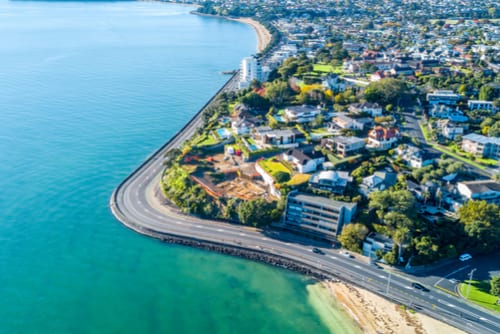
Auckland
Auckland is by far the most urban area of the island. If you fly into New Zealand via Auckland International Airport, you would be forgiven for thinking you’ve flown into the wrong country – the city is packed with glass and steel, without much greenery to be seen.
You could spend weeks in Auckland without feeling like you’ve seen everything, but we recommend that you set some time aside to explore its beautiful surroundings.
In the city: The Sky Tower is your opportunity to take in all the sights of the city. Feeling brave? Take a jump from almost 200 metres up off this 300-metre tower.
Outside the city: Waitakere Ranges is just half an hour drive away and is filled with both picture-perfect beaches and lush, dense rainforests.
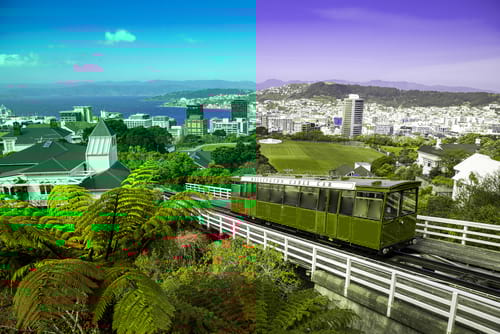
Wellington
The capital city of New Zealand, despite only having about a third of the population of Auckland, Wellington sits at the base of the North Island.
It’s well-known for being the cooler of the two major northern cities, and is a hub for New Zealand’s burgeoning film industry and jaw-dropping arts institutions.
In the city: Old St Paul’s is a strikingly beautiful wooden cathedral sitting just a stone’s throw from Waterloo Quay. As well as its spiritual offerings, it also sells slightly more material gifts in its renowned all-year Christmas shop.
Outside the city: Kapiti Island is around an hour’s drive (plus a ferry) from Wellington. It’s the perfect spot for getting back to nature, as well as providing arresting panoramas from the peak of Tuteremoana.

The South Island
The South Island is far larger in terms of landmass than its more popular sister island, and its low population density is striking even in its main cities. Many roadtrippers head to this side of New Zealand to track down some easy paid work to fund the rest of their travels across the Australasian continent.
Beyond the urban areas is a fusion of nature’s finest. The deepest valleys of Fiordland, born in the ice age, capture the adventurer’s heart within seconds. Plus, the iconic face of Mitre Peak stands proud – this impressive rock soars near vertically into the air for more than a mile. Unsurprisingly, the ascent to this pinnacle is more for admiring than conquering.
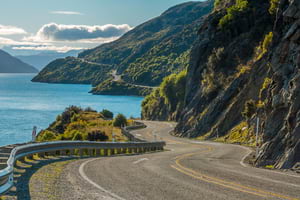
Queenstown
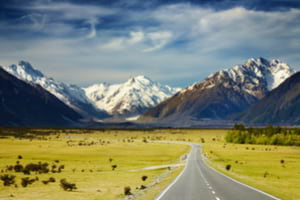
You couldn’t ask for a more dramatic setting than that of the resort town of Queenstown. From the city, you’ll be able to admire the snow-capped peaks of a number of mountain ranges (including The Remarkables), as well as the azure beauty of Lake Wakatipu.
Christchurch
The largest city on the South Island (but still with fewer than 500,000 residents), Christchurch sits on the East Coast. Its busy international airport – Christchurch International (CHC) – welcomes a steady stream of holidaymakers looking to explore the city or head to the slopes at the nearby Southern Alps.
Dunedin
Dunedin has a fascinating history of Scottish and Maori occupation, making it the perfect location for the history enthusiast. Its economy developed as a result of a gold rush but is now propped up by a large student population and ecotourists seeking its various unique native animal colonies.
Book your New Zealand car hire now
 Book car rental by phone
+44 203 3186 960

New Zealand Rugby
In New Zealand, rugby is far more than a game, it is the nation’s lifeblood and a defining pillar of its cultural identity. From the moment children can walk, many are found tossing an oval ball on school fields or in backyards, fuelled by the dream of one day wearing the hallowed black jersey. This passion is rooted in over 150 years of history, beginning with the first official match in Nelson in 1870.
The sport serves as a powerful bridge between Māori and Pākehā traditions; the indigenous game of Kī-o-rahi shared many similarities with rugby, allowing it to be quickly adopted and enriched by Māori strength and agility. Today, the iconic Haka performed by the All Blacks stands as a globally recognised symbol of this unified warrior spirit and national pride.
The stats reflect this obsession: despite a small population, New Zealand remains a global powerhouse, with the All Blacks maintaining an extraordinary 76% winning record since 1903. The women’s team, the Black Ferns, are equally dominant with six World Cup titles. Whether it’s the roar of the crowd at Eden Park or the quiet dedication of grassroots clubs in small rural towns, rugby remains the “glue” that binds the country together. It is a near-religious fervour that transforms a simple sport into a national treasure.