




Best value Australia car rental from top brands









Australia car rental tips

Where to pick up your car rental in Australia
There are over 75 car hire locations in Australia, and the most popular city is for car hire in Melbourne.

Top Australian car rental brands
The most popular car rental brands in Australia are East Coast Rentals, Hertz, Europcar, Ace and Thrifty.

Best time to hire a car in Australia
The cheapest months to pick up your car hire in Australia are May and July.

Local currency in Australia
Australian Dollar (AUD).

Which side of road do they drive in Australia?
You drive on the left in Australia.

Hire a car in Australia
The world’s smallest continent but largest island, Australia is an oasis of natural wonders.
The country down under has everything, from bright beaches and crystal waters to barren landscapes and lush rainforests. Its big cities lead the way in how-to-be hip and are a lively showcase of what happens when modern spirit meets an unbeatable admiration for the great outdoors.
Although driving distances between places can be long and exhausting, it means the road trips here are some of the best. This is a destination where upgrading gives you real payback on your travels. Search for your perfect car hire with easyCar and let your imagination run wild as you start off on your Australian adventure.
Frequently Asked Questions about Car Hire in Australia
Question: Why is renting a car in Australia great for my holiday?
Short answer: Australia, with its vast distances, stunning coastlines, unique wildlife, and diverse landscapes ranging from tropical rainforests to red desert outback, is a country made for road trips. From the iconic Great Ocean Road to the remote beauty of the Red Centre, car hire in Australia offers the freedom to explore one of the world’s most spectacular countries at your own pace.
Renting a car in Australia is essential for experiencing the true breadth and character of this enormous continent. While Australia’s major cities have public transport, the country’s greatest treasures lie in the spaces between – pristine beaches accessible only by 4WD, ancient rock formations in the outback, world-class wine regions, dramatic coastal drives, and wildlife encounters in their natural habitats. Australia is the sixth-largest country in the world, and distances are vast. A rental car gives you the freedom to explore beyond city limits, stop at deserted beaches, detour to quirky country towns, and create your own adventure. Whether you’re chasing waterfalls in tropical Queensland, wine tasting in South Australia’s Barossa Valley, or driving through Tasmania’s wilderness, a car transforms your Australian holiday from a series of city visits into an unforgettable journey through one of the planet’s most diverse and beautiful landscapes.
Question: What are the main benefits of car hire in Australia?
Short answer: The benefits of car hire in Australia are substantial:
- Essential for Distance: Australia is massive- Perth to Sydney is 3,290km. Even shorter distances are considerable, making a car essential for exploring multiple regions.
- Access to Natural Wonders: Reach national parks, remote beaches, waterfalls, gorges, and outback landscapes that are completely inaccessible by public transport.
- Flexibility and Freedom: Create your own itinerary, stop whenever you want, and explore at your own pace without being tied to tour group schedules.
- Wildlife Encounters: Stop for kangaroos, koalas, wombats, and unique Australian wildlife in their natural habitats – something impossible on scheduled transport.
- Coastal Drives: Experience world-famous scenic routes like the Great Ocean Road, Pacific Coast Highway, and Great Barrier Reef Drive.
- Cost-Effective for Groups: When traveling with family or friends, car rental is often more economical than multiple bus or tour tickets.
- Climate Control: Essential comfort in Australia’s extreme temperatures – they go from tropical heat to alpine cold.
- Surf and Adventure Access: Reach the best surf breaks, hiking trailheads, and adventure spots that define the Australian outdoor lifestyle.
Question: What types of car rental companies operate in Australia?
Short answer: Australia is well-served by both international and local car rental companies. You’ll find globally recognized brands such as Hertz, Avis, Budget, Europcar, Thrifty, Enterprise, and Alamo operating at all major airports and cities. Additionally, Australia has reputable local specialists like Apollo, Britz, and Jucy, which offer excellent value and unique options including campervans and 4WDs specifically equipped for outback travel. Car hire price comparison sites like easyCar facilitate bookings with these providers, ensuring you get the best car hire deals across Australia’s vast geography.
Question: What vehicle types are available for car hire in Australia?
Short answer: Australia offers an extensive range of vehicles suited to the country’s diverse terrain and climate. Options include:
- Economy/Compact Cars: Ideal for city driving and sealed roads (e.g., Toyota Corolla, Hyundai i30).
- Mid-size/Full-size Sedans: Comfortable for longer highway journeys (e.g., Toyota Camry, Ford Falcon).
- SUVs: Popular for family trips and light off-road capability (e.g., Toyota RAV4, Nissan X-Trail).
- 4WD Vehicles: Essential for serious outback travel, beach driving, and unsealed roads (e.g., Toyota LandCruiser, Nissan Patrol). Many remote areas and national parks require 4WD access.
- Campervans/Motorhomes: Extremely popular in Australia for the ultimate road trip freedom, combining transport and accommodation.
- Premium/Luxury Cars: Available in major cities for those seeking a premium experience.
- People Movers: 7-8 seater vehicles ideal for larger families or groups.
- Utes (Pickup Trucks): Popular for carrying surfboards, camping gear, and equipment.
Important Note: Automatic transmission is standard in Australia – manual vehicles are available but much less common than in Europe.
Question: Can I get a car rental in Sydney, Australia?
Short answer: Yes, car rental in Sydney is extensively available, with the main pick-up point being Sydney Kingsford Smith Airport (SYD), Australia’s busiest airport, as well as numerous locations throughout Sydney’s city centre and suburbs. All major international and Australian car rental companies operate here, offering the country’s widest selection of vehicles.
Detailed Sydney Information: Sydney, Australia’s largest and most iconic city, is home to 5.3 million people and serves as the primary international gateway for most visitors to Australia. Sydney Airport is located just 8km south of the CBD in the suburb of Mascot, making it remarkably close to the city centre. The airport has domestic and international terminals, with car rental companies operating from both, though most concentrate in the Domestic terminal area with shuttle buses to off-airport rental lots.
Driving in Sydney: Sydney’s city centre, while beautiful, is notoriously challenging for driving. The central business district has complex one-way systems, expensive parking (often $50+ per day), congested traffic, and confusing harbour geography with limited crossing points. The Harbour Bridge and Harbour Tunnel both charge tolls. Most visitors find it more practical to explore central Sydney, Circular Quay, Darling Harbour, and The Rocks on foot or using the excellent public transport (trains, buses, ferries, and light rail). Many savvy travellers spend their first few days in Sydney car-free, then collect their rental when ready to leave the city.
Where a Car is Essential from Sydney: However, a rental car unlocks Sydney’s spectacular surroundings. Drive north to the laid-back beaches of the Northern Beaches (Manly, Palm Beach), explore the beautiful Ku-ring-gai Chase National Park, or venture to the Hunter Valley wine region (2 hours north) for world-class wine tasting. South of Sydney, the Grand Pacific Drive is a stunning coastal route through the Royal National Park to the charming towns of Wollongong and Kiama. The Blue Mountains (90 minutes west) are a UNESCO World Heritage wilderness area with dramatic eucalyptus-covered valleys, the famous Three Sisters rock formation, and lovely mountain villages like Katoomba and Leura.
Sydney to Melbourne Drive: Many visitors drive the coastal route from Sydney to Melbourne (approximately 9 hours non-stop, but ideally done over 2-3 days with stops). This journey passes through Jervis Bay (some of Australia’s whitest sand beaches), the quirky town of Berry, the beautiful Sapphire Coast, and numerous national parks and coastal spots.
Toll Roads: Sydney has numerous toll roads including the M2, M5, M7, Eastern Distributor, and the harbour crossings. Most rental companies provide e-tags or rental car pass systems – clarify how tolls are handled when collecting your car. Alternatively, you can purchase a Sydney Pass for unlimited toll road use over a set period.
Airport Tips: Sydney Airport is extremely busy. During peak times, allow extra time for car rental collection. The airport area traffic can be congested, so don’t schedule tight connections. If staying in the city first, consider using public transport (the airport train runs every 10 minutes to the CBD) and collecting your car from a suburban location when departing Sydney.
Question: Where can I find car rental in Melbourne, Australia?
Short answer: Car rental in Melbourne is readily available at Melbourne Airport (Tullamarine, MEL), located 23km northwest of the city, as well as Melbourne’s domestic airport Avalon (AVV) and throughout the city center. All major companies including Budget, Hertz, Avis, Europcar, Thrifty, and Australian specialists operate extensively in Melbourne.
Detailed Melbourne Information: Melbourne, Australia’s second-largest city with 5 million residents, is often considered the country’s cultural capital – renowned for its art, music, food, coffee culture, and sports obsession (Australian Rules Football, cricket, tennis, and horse racing are like religions here). Melbourne has a distinctive European feel with its Victorian architecture, tram network, hidden laneway cafes, and four-seasons-in-one-day weather.
Driving in and Around Melbourne: Melbourne’s central area features a unique hook turn system at many intersections – where you turn right from the left lane to allow trams to pass. This can confuse visitors initially, but there are plenty of signs. The city has expensive parking and a congested road network, making public transport (especially the extensive tram network) preferable for exploring the city centre. Most car rental collection happens at the airport, though city locations are available.
The Great Ocean Road: Melbourne’s greatest advantage for car rental is its proximity to the Great Ocean Road – one of the world’s most spectacular coastal drives. Starting from Torquay (just 90 minutes from Melbourne), this 243km route hugs the coastline west to Warrnambool and features the famous Twelve Apostles limestone formations, dramatic cliffs, rainforest gullies, charming coastal towns like Lorne and Apollo Bay, and world-class surf breaks including Bells Beach. The Great Ocean Road is a must-do Australian experience and absolutely requires a car. Allow 2-3 days to properly enjoy it, staying overnight in seaside towns.
Other Driving Destinations from Melbourne: The Yarra Valley (1 hour east) offers wine tasting in a beautiful setting, with many wineries also serving excellent food. Phillip Island (90 minutes south) is famous for its Penguin Parade, where hundreds of little penguins waddle ashore at sunset. The Dandenong Ranges, just 40 minutes east, provide cool mountain air, towering mountain ash forests, lovely gardens, and charming villages with cafes and antique shops. For longer trips, the Victorian High Country offers alpine scenery, excellent skiing in winter, and pretty towns like Bright and Beechworth.
Melbourne to Sydney: Many visitors drive between Melbourne and Sydney (around 9 hours), either via the inland Hume Highway (faster, mostly boring) or the coastal Princes Highway (longer but more scenic with stops at beautiful beaches and towns). The coastal route is ideal for exploring Wilsons Promontory National Park (Victoria’s southernmost point with stunning beaches and bushland) and the Gippsland Lakes.
CityLink Tolls: Melbourne’s CityLink toll road connects the airport to the city and the Westgate Freeway. Most rental companies provide a toll pass system – clarify this when collecting your car.
Airport Tips: Melbourne Airport (Tullamarine) is efficient and well-organized. Car rental companies have desks in the terminal, with vehicles in nearby rental car parks. The airport can be foggy in early mornings, occasionally causing delays. Avalon Airport, 55km southwest of Melbourne, is used by some budget airlines and has fewer car rental options.
Question: What are my options for car rental in Brisbane, Australia?
Short answer: Car rental in Brisbane is extensively available at Brisbane Airport (BNE), located 13km northeast of the central area, and throughout the city. All major international and Australian rental companies operate here, with Brisbane Airport offering the third-busiest car rental market in Australia after Sydney and Melbourne.
Detailed Brisbane Information: Brisbane, Queensland’s capital with 2.6 million residents, is Australia’s third-largest city and serves as the gateway to Queensland’s spectacular coastlines. Brisbane has a subtropical climate – warm all year with hot, humid summers and mild, dry winters. The city has transformed dramatically in recent years, with a thriving riverfront precinct, excellent restaurants, world-class art galleries, and a laid-back, friendly atmosphere. The Brisbane River winds through the city, and the free CityHopper ferry provides a scenic way to explore the riverside suburbs.
Driving in Brisbane: Brisbane is more car-friendly than Sydney or Melbourne, with a grid-pattern centre, wider roads, and generally easier navigation. However, the city sprawls considerably, and traffic can be heavy during peak hours. The Legacy Way tunnel system helps bypass the city centre. Parking in the central area is expensive but generally available. Brisbane’s subtropical climate means air conditioning is essential – fortunately, all rental cars have it.
The Gold Coast and Surfers Paradise: Just 80km south of Brisbane lies the Gold Coast, Australia’s holiday playground with 70km of golden beaches. Surfers Paradise is the glitzy heart, featuring high-rise apartments, theme parks (like Warner Bros. Movie World, Dreamworld, and Sea World), nightlife, and excellent surfing beaches. A rental car from Brisbane allows you to explore the entire Gold Coast, from the party atmosphere of Surfers Paradise to the more upscale Burleigh Heads and the natural beauty of the Gold Coast Hinterland with its rainforest, waterfalls, and mountain views.
The Sunshine Coast: North of Brisbane (90 minutes drive) lies the Sunshine Coast – a more relaxed, family-friendly alternative to the Gold Coast. Beautiful beaches at Noosa, Mooloolaba, and Caloundra offer excellent swimming, surfing, and coastal walks. The Glass House Mountains provide dramatic volcanic peaks rising from the coastal plain, perfect for hiking and photography.
Heading North: Brisbane serves as an excellent starting point for driving north along Queensland’s coast toward Cairns. The journey passes through numerous coastal towns and cities (Hervey Bay, Bundaberg, Gladstone, Rockhampton, Mackay, Airlie Beach, Townsville) before reaching the tropical north. This is a long drive (1,700km to Cairns), best done over multiple days or with a one-way rental.
Byron Bay: Though technically in New South Wales, Byron Bay is just 2 hours south of Brisbane and is one of Australia’s most famous beach towns – a magnet for surfers, backpackers, wellness enthusiasts, and celebrities seeking the laid-back lifestyle. Many Brisbane visitors make the drive to Byron Bay for its beautiful beaches, alternative culture, and excellent cafes.
Brisbane River Crosses: Be aware that Brisbane has multiple river crossings, and several are tolled, including the Gateway Motorway, Go Between Bridge, and Legacy Way tunnel. Most rental companies provide toll payment systems – check when collecting your car.
Airport Tips: Brisbane Airport has domestic and international terminals connected by a free Airtrain. Car rental desks are in both terminals, though most concentrate in the Domestic terminal. The airport is well-connected to the city via the Gateway Motorway.
Question: Is car rental available in Cairns, Australia?
Short answer: Yes, car rental in Cairns is available at Cairns Airport (CNS), located just 7km north of the city centre, and throughout Cairns city. All major brands operate here, with particular emphasis on 4WD rentals given the region’s tropical terrain and adventure focus.
Detailed Cairns Information: Cairns, with a population of 150,000, serves as the gateway to tropical North Queensland and two UNESCO World Heritage sites – the Great Barrier Reef and the Daintree Rainforest (the world’s oldest continuously surviving rainforest). The city has a distinctly tropical, laid-back vibe with year-round warm weather, palm-lined streets, and an artificial lagoon on the Esplanade (as the ocean has mud flats rather than a beach).
Why Cairns is Special: Cairns exists primarily as a tourist hub, and for good reason – the region offers some of Australia’s most spectacular natural attractions. The Great Barrier Reef is accessible via numerous boat tours, but many visitors don’t realize that much of the region’s best experiences require a car. The tropical climate means lush rainforests, dramatic waterfalls, pristine beaches, and unique wildlife.
The Tropical North Coast: North of Cairns, the Captain Cook Highway is one of Australia’s most scenic coastal drives, hugging the coastline between rainforest-covered mountains and the Coral Sea. Drive to Palm Cove (25 minutes), an upscale beach village with an excellent restaurant scene and beautiful tree-lined beach. Continue to Port Douglas (1 hour), a chic tropical town that serves as a more sophisticated alternative to Cairns, with excellent restaurants, marina, and access to the reef. Beyond Port Douglas, the road enters the Daintree Rainforest—take the cable ferry across the Daintree River and drive through ancient rainforest to Cape Tribulation, where “the rainforest meets the reef.”
The Tablelands: West of Cairns, the Atherton Tablelands offer a completely different landscape – cool, green, rolling hills with waterfalls, crater lakes, and charming country towns. Drive the Waterfall Circuit to visit Millaa Millaa Falls (one of Australia’s most photographed waterfalls), swim in volcanic crater lakes like Lake Eacham and Lake Barrine, and explore the quirky town of Yungaburra. The temperature is 5-10°C cooler than Cairns, providing welcome relief from tropical heat.
Wildlife Encounters: The region offers exceptional wildlife viewing. Visit Hartley’s Crocodile Adventures to see saltwater crocodiles and cassowaries, take a night spotlight tour to spot nocturnal rainforest creatures, or drive to Mission Beach to look for wild cassowaries on the beaches.
4WD Adventures: For the adventurous, a 4WD allows access to Cape York Peninsula, the northernmost point of Australia’s mainland. This is serious outback travel requiring proper preparation – the journey includes river crossings, remote wilderness, and Indigenous communities. The famous Bloomfield Track between Cape Tribulation and Cooktown is also 4WD-only, offering one of Australia’s most spectacular remote drives.
Wet vs. Dry Season: Cairns has two distinct seasons. The Dry Season (May-October) features beautiful weather with warm days, cool nights, and little rain – this is peak tourist season. The Wet Season (November-April) brings heavy rainfall, humidity, jellyfish in the ocean (marine stingers), potential cyclones, and some road closures, but also spectacular waterfalls and lush green landscapes. Car rental is essential in wet season when tour activities may be limited.
Driving Conditions: Be aware that tropical North Queensland has unique driving conditions. Watch for cassowaries (large, endangered flightless birds – hitting one is devastating for both bird and car), avoid driving at dawn/dusk when wildlife is active, and never swim in waterways unless clearly marked safe – saltwater crocodiles live in rivers and coastal areas.
Question: Can I get a car rental in Perth, Australia?
Short answer: Yes, car rental in Perth is widely available at Perth Airport (PER), located 17km northeast of the city, and throughout Perth’s suburbs. All major rental companies operate here, with Perth offering competitive rates due to Western Australia’s isolation and lower tourism volumes compared to the east coast.
Detailed Perth Information: Perth, Western Australia’s capital with 2.2 million residents, is the world’s most remote major city – closer to Singapore than to Sydney (4,130km away). This isolation has created a unique city with its own character, beautiful weather (sunshine most days), stunning beaches, and a relaxed lifestyle. Perth often feels like a large country town despite its size, with friendly locals and less tourist crowds than eastern cities.
Perth’s Beaches: Perth boasts some of Australia’s best urban beaches. Cottesloe Beach, just 20 minutes from the centre, features white sand, turquoise water, Norfolk pines, and beautiful sunsets. Scarborough Beach has been redeveloped with excellent restaurants and cafes. The beaches stretch continuously north for dozens of kilometres through suburbs like City Beach, Trigg, and Sorrento – all easily accessed by rental car.
Fremantle: Just 30 minutes south of Perth, “Freo” is a historic port city with 19th-century convict-built limestone buildings, a thriving arts scene, excellent restaurants and breweries, weekend markets, and maritime history including the famous Fremantle Prison (UNESCO World Heritage site). The Fremantle Doctor, a cooling afternoon sea breeze, provides relief from Perth’s summer heat.
Rottnest Island: Accessible by ferry from Perth or Fremantle, Rottnest Island is a car-free island famous for quokkas (small marsupials that appear to smile in photos), beautiful beaches, excellent snorkelling, and cycling around the island. While you can’t take a car, visitors park at the ferry terminal.
Margaret River: Three hours south of Perth lies the Margaret River wine region – one of Australia’s finest. This stunning area combines world-class wineries (known particularly for Cabernet Sauvignon and Chardonnay), spectacular beaches with excellent surfing, dramatic coastal cliffs, limestone caves, ancient karri forests, and excellent restaurants. Towns like Margaret River, Dunsborough, and Yallingup offer accommodation. This is a perfect 3-4 day road trip from Perth. The drive passes through the historic town of Busselton (featuring Australia’s longest wooden jetty at 1.8km) and beautiful coastline.
The Pinnacles: Two hours north of Perth in Nambung National Park, the Pinnacles Desert features thousands of limestone pillars rising from yellow sand dunes – a surreal landscape best visited at sunrise or sunset. Continue north to the coastal town of Cervantes for fresh rock lobster.
Wave Rock and the Golden Outback: For those wanting outback experience, Wave Rock (350km east of Perth) is a striking granite rock formation resembling a breaking ocean wave, 15 meters high and 110 meters long. The drive passes through Western Australia’s wheat belt – vast, flat, golden fields stretching to the horizon.
Perth’s Size and Sprawl: Perth is Australia’s fourth-largest city but sprawls enormously – locals joke it’s 20 kilometres wide and 200 kilometres long. Suburbs spread far north and south along the coast. A car is essential for exploring beyond the centre. However, Perth’s roads are generally well-maintained, wide, and less congested than eastern cities.
Western Australia’s Distances: Western Australia is enormous – its roughly the size of Western Europe. If planning to drive north to Broome (2,250km), the Kimberley region, or south to Esperance (720km), be prepared for serious distances with vast stretches of emptiness. Always carry extra water, fuel, and emergency supplies when leaving coastal areas.
Airport and Driving: Perth Airport has four terminals (T1 International, T2 Domestic, T3 Virgin, T4 Qantas), which can be confusing. Most car rental companies have desks in T1 and T2. Perth’s roads are easy to navigate with less complex layouts than Sydney or Melbourne. Watch for speed cameras – Western Australia is strict on speeding.
Question: Where can I find car rental in Adelaide, Australia?
Short answer: Car rental in Adelaide is readily available at Adelaide Airport (ADL), located just 7km west of the city centre, making it one of Australia’s closest airports to its downtown. All major companies operate here, with Adelaide offering excellent value for car rentals due to lower demand compared to Sydney or Melbourne.
Detailed Adelaide Information: Adelaide, South Australia’s capital with 1.4 million residents, is often overlooked by international visitors but is beloved by Australians who appreciate its grace, culture, wine, and relaxed lifestyle. Adelaide is known as the “20-minute city” because you can reach beaches, hills, wine regions, and countryside within 20 minutes from the middle of the city – making it extremely convenient for car rental exploration.
Adelaide’s Character: Adelaide has a distinctly European feel with its planned grid layout, parklands surrounding the city centre, Victorian and art deco architecture, and numerous festivals. The city is quieter and more affordable than Sydney or Melbourne but with excellent restaurants, wine bars, museums, and cultural venues. Adelaide has a Mediterranean climate with hot, dry summers and mild winters.
The Barossa Valley: Australia’s most famous wine region lies just 65km northeast of Adelaide. The Barossa produces world-class Shiraz and features dozens of wineries ranging from massive operations like Penfolds and Jacob’s Creek to tiny boutique cellars. The German heritage of the region is visible in the village architecture, Lutheran churches, and bakeries selling pretzels. A day trip from Adelaide is possible, but staying overnight in Tanunda or Angaston allows for proper wine tasting. The scenic drive through vine-covered hills is beautiful year-round.
McLaren Vale: Just 45 minutes south of Adelaide, this wine region offers a more relaxed, beachy alternative to the Barossa. McLaren Vale produces excellent reds and is closer to the coast. The nearby Fleurieu Peninsula has beautiful beaches, the historic German town of Hahndorf, and excellent seafood.
Adelaide Hills: East of the city, the Adelaide Hills provide cool relief from summer heat with charming villages like Stirling, Aldgate, and Hahndorf (Australia’s oldest surviving German settlement, established 1839). The hills are dotted with orchards, vineyards, and craft producers. Mount Lofty Summit offers panoramic views over Adelaide and the coast.
The Coastal Beaches: Adelaide’s beaches run continuously north and south. Glenelg, a 20-minute drive (or tram ride) from the centre, is Adelaide’s most popular beach suburb with restaurants, bars, and Victorian pier. Henley Beach and Brighton offer excellent swimming. South of the city, the Fleurieu Peninsula has spectacular coastline.
Kangaroo Island: While you’ll need to take a car ferry (45 minutes from Cape Jervis, 2 hours drive from Adelaide), Kangaroo Island is one of Australia’s best wildlife destinations. See wild kangaroos, koalas, sea lions, fur seals, and rare black cockatoos. The island has spectacular coastal scenery including Remarkable Rocks and Admirals Arch. Allow 2-3 days for proper exploration.
The Outback: Adelaide serves as the gateway to South Australia’s outback. Drive north to the Flinders Ranges (350km), a stunning ancient mountain range where you can see abundant wildlife and dramatic gorges. Continue to Coober Pedy (850km north), an outback opal mining town where residents live underground to escape the heat. These are serious outback drives requiring preparation.
Adelaide Airport: Adelaide Airport is exceptionally convenient – just 7km from the city centre with an easy 15-minute drive into town. The airport is small, modern, and easy to navigate with car rental desks clearly located in the terminal. Traffic is generally light by big-city standards.
Question: Is car rental available in Darwin, Australia?
Short answer: Yes, car rental in Darwin is available at Darwin International Airport (DRW), located 12km northeast of the city, with all major companies and specialist 4WD operators. Darwin is the gateway to Australia’s Top End, and car rental is essential for exploring the region’s spectacular national parks, waterfalls, and outback landscapes.
Detailed Darwin Information: Darwin, the Northern Territory’s capital with just 150,000 residents, is Australia’s only tropical capital city. Sitting on the Timor Sea, Darwin is closer to Indonesia than to any other Australian capital city. The city has a frontier feel – casual, multicultural, and resilient (it was rebuilt after Cyclone Tracy devastated it on Christmas Day 1974). Darwin experiences two distinct seasons: the Dry (May-October) with perfect weather, and the Wet (November-April) with heavy monsoonal rains, high humidity, and spectacular lightning storms.
When to Visit: The Dry Season (May-October) is when most visitors come – perfect weather with warm days, cool nights, low humidity, and virtually no rain. The Wet Season (November-April) brings dramatic storms, possible flooding and road closures, crocodile activity, and extreme humidity, but also spectacular waterfalls and lush landscapes. Most tourists visit in the Dry, but the Wet has its own dramatic beauty if you can handle the humidity.
Kakadu National Park: Australia’s largest national park, Kakadu (250km east of Darwin) is a UNESCO World Heritage site covering 20,000 square kilometers. Kakadu features dramatic escarpments, pristine wetlands, ancient Aboriginal rock art (some 20,000 years old), waterfalls, and abundant wildlife including saltwater crocodiles. Key sites include Ubirr and Nourlangie rock art sites, Jim Jim Falls and Twin Falls (4WD access only, Dry season only), and Yellow Water Billabong for wildlife cruises. Allow 2-3 days minimum to explore Kakadu properly.
Litchfield National Park: Just 115km south of Darwin, Litchfield is more accessible than Kakadu and features stunning waterfalls where you can swim (crocodile-free pools), magnetic termite mounds, and monsoon forest. Florence Falls, Wangi Falls, and Buley Rockhole are highlights. Litchfield makes an excellent day trip or overnight stay from Darwin.
The Nature Parks: Around Darwin, several excellent nature parks showcase Top End landscapes: Berry Springs Nature Park (50km south), Fogg Dam Conservation Reserve (60km east), and Territory Wildlife Park (50km south, excellent for seeing Northern Territory animals in naturalistic settings).
Arnhem Land: East of Kakadu lies Arnhem Land, a vast Aboriginal-owned wilderness that requires permits to enter. Access is restricted but special tours and permits allow visits to this pristine, culturally significant region.
Driving to Katherine: Katherine (310km south of Darwin) is the Top End’s second town, gateway to Nitmiluk (Katherine Gorge) National Park – a stunning series of 13 gorges carved by the Katherine River through ancient sandstone. The gorge is best experienced by boat cruise or canoe. Many visitors drive from Darwin to Katherine as a day trip or overnight stop when heading further south.
The Long Drive South: For the adventurous, the Stuart Highway connects Darwin to Alice Springs (1,500km south) – a journey through red desert outback, past roadhouses every 100-200km, with limited services in between. This is a serious outback drive requiring preparation. Key stops include Katherine, Mataranka (thermal springs), Tennant Creek, and the Devils Marbles (massive granite boulders balanced impossibly).
4WD Essential for Serious Exploration: While you can visit Litchfield and parts of Kakadu in a 2WD during the Dry Season, a 4WD unlocks the real Top End – remote waterfalls, beach camping, Arnhem Land access, and the Gibb River Road (if continuing to Western Australia). Many roads become impassable in the Wet Season.
Saltwater Crocodiles: This is crucial – the Top End has saltwater crocodiles (which also inhabit freshwater rivers). Never swim in rivers, estuaries, or coastal waters unless explicitly signed as safe. Obey all warning signs. Crocodiles are excellent predators and should be respected. Swimming holes in Litchfield and certain other parks are regularly monitored and safe, but always check signage.
Darwin City: Darwin itself is a small, easy city to navigate with a tropical feel. The Darwin Waterfront precinct has a wave pool and swimming lagoon (because the ocean has crocodiles and jellyfish). Mindil Beach Sunset Markets (Dry season, Thursday and Sunday evenings) are legendary – watch the sunset while eating food from dozens of international stalls. Don’t miss the Museum and Art Gallery of the Northern Territory for insights into Top End history, culture, and Cyclone Tracy.
Question: Can I get a car rental in Canberra, Australia?
Short answer: Yes, car rental in Canberra is readily available at Canberra Airport (CBR), located just 8km east of the city center, as well as throughout the city. All major rental companies operate here, with Canberra offering easy driving conditions and serving as an excellent base for exploring the surrounding regions of New South Wales and the Australian Alps.
Detailed Canberra Information: Canberra, Australia’s purpose-built capital with 450,000 residents, is often misunderstood by visitors who imagine a boring bureaucratic city. In reality, Canberra is a surprisingly pleasant, well-designed city set around Lake Burley Griffin with excellent museums (mostly free), beautiful parks, nearby wineries, and access to spectacular mountain and coastal scenery. Canberra has four distinct seasons – hot summers, cold winters (occasionally with snow in the city), and beautiful autumn colours and spring blossoms.
Why Canberra Needs a Car: While Canberra has buses and a light rail system, the city is sprawling and purpose-built for cars. Attractions are spread across the city, and a car provides the easiest way to explore. More importantly, Canberra’s best assets lie outside the city – wine regions, mountain resorts, coastal beaches, and national parks all within 1-3 hours drive.
Canberra’s National Institutions: As the capital, Canberra hosts Australia’s premier national institutions. The National Gallery, National Museum, National Library, Parliament House, Australian War Memorial, and National Archives are all free or low-cost. These can occupy several days of sightseeing. A car allows you to easily drive between attractions.
Snowy Mountains: Just 2 hours south of Canberra lie the Snowy Mountains, Australia’s only true alpine region. In winter (June-September), ski resorts like Thredbo and Perisher offer skiing and snowboarding. In summer, the mountains provide excellent hiking, mountain biking, and scenic drives. The Alpine Way is spectacular in autumn when introduced deciduous trees show golden colours.
Coastal Access: Canberra is 2-3 hours from beautiful New South Wales beaches. Drive east to Batemans Bay for beaches and fresh oysters, or continue to the stunning Jervis Bay (3 hours) with its white sand beaches and clear waters.
Wine Regions: The Canberra District wine region produces excellent cool-climate wines. Just 30-60 minutes from the city, you’ll find cellar doors in Murrumbateman, Hall, and Lake George. These regions are less touristy than Barossa or Hunter Valley but offer excellent wines at good value.
Driving to Sydney or Melbourne: Canberra sits roughly midway between Sydney (3 hours northeast) and Melbourne (7 hours southwest). Many visitors incorporate Canberra into a Sydney-Melbourne road trip. The drive to Sydney passes through the Southern Highlands with pretty villages like Bowral and Berrima, while the Melbourne route traverses farming country.
Easy Driving: Canberra is by far Australia’s easiest capital city to drive in. Wide roads, minimal traffic (except peak hour), no toll roads, logical layout with circular roads (Parliament, Capital, Adelaide, Edinburgh) connected by spoke roads. Free parking is available in many areas, though central locations require payment. The wide, tree-lined boulevards make driving pleasant.
Autumn Colours: If visiting in April-May, don’t miss Canberra’s spectacular autumn colours. The city was planted with deciduous exotic trees (oaks, elms, planes) that turn brilliant gold and red. Commonwealth Park and the streets of inner suburbs like Yarralumla are stunning.
Airport Tips: Canberra Airport is small and easy to navigate with car rental desks in the terminal. The drive into the city takes just 10-15 minutes via the Federal Highway or Pialligo Avenue. There’s rarely any traffic congestion, making arrival and departure stress-free.
Question: Where can I find car rental in Hobart, Australia?
Short answer: Car rental in Hobart is on hand at Hobart International Airport (HBA), located 17km northeast of the city, and throughout Hobart’s suburbs. All major companies operate here, with car rental being essential for exploring Tasmania’s compact but spectacular island landscape.
Detailed Hobart Information: Hobart, Tasmania’s capital with 240,000 residents, is Australia’s second-oldest city (after Sydney) and has retained much of its colonial charm with sandstone warehouses, historic cottages, and a beautiful harbour setting beneath Mount Wellington. Tasmania is Australia’s island state, separated from the mainland by Bass Strait, and is renowned for pristine wilderness, excellent food and wine, and a cooler climate than mainland Australia.
Why Tasmania Needs a Car: Tasmania is compact – you can drive from Hobart to Launceston in 2.5 hours – but it’s densely packed with attractions. Public transport is limited, and most of Tasmania’s highlights (national parks, beaches, mountains, wine regions, historic sites) require a car. The distances are manageable, roads are generally good, and driving is a pleasure through beautiful landscapes.
Mount Wellington: Rising 1,271 meters directly behind Hobart, Mount Wellington (called kunanyi by the Aboriginal Palawa people) provides spectacular views over Hobart, the Derwent River, and surrounding area. The 30-minute drive up the mountain passes through temperate rainforest before emerging at the summit, which often has snow even in summer. The summit can be 10-15°C colder than Hobart, so bring warm clothes.
Salamanca Market: Every Saturday, Salamanca Place hosts Tasmania’s best market with hundreds of stalls selling fresh produce, crafts, food, and art beneath the historic sandstone warehouses. The market is walkable from central Hobart, but driving allows you to purchase and transport items.
Port Arthur Historic Site: Two hours southeast of Hobart, Port Arthur is Australia’s most significant convict heritage site – a remarkably well-preserved former penal settlement in a beautiful but isolated location. The settlement operated 1830-1877 and now offers fascinating insights into Australia’s convict history through buildings, ruins, and museums. Allow half a day minimum. The drive passes through pretty countryside and coastal scenery.
Bruny Island: Accessible via a car ferry (20 minutes) from Kettering (30 minutes south of Hobart), Bruny Island is a haven for food lovers and nature enthusiasts. The island produces artisan cheeses, oysters, whisky, honey, and berries. The Neck, a narrow isthmus connecting North and South Bruny, offers spectacular views and penguin rookeries. Cape Bruny Lighthouse and dramatic coastal cliffs make this an excellent day trip or overnight stay.
East Coast: Drive 2-2.5 hours northeast to Tasmania’s stunning East Coast with Freycinet National Park, home to Wineglass Bay – often rated among the world’s most beautiful beaches with its perfect curve of white sand and turquoise water. The view from the lookout (1-hour return walk) is iconic. Continue to the Bay of Fires, where orange lichen-covered granite boulders contrast brilliantly with white sand and blue water.
Cradle Mountain: In Tasmania’s north (4 hours from Hobart), Cradle Mountain-Lake St Clair National Park is Tasmania’s most famous wilderness area with dramatic peaks, alpine lakes, and excellent bushwalking. The Overland Track, a 65km multi-day hike, is world-renowned. Even short walks offer spectacular scenery. This is often combined with Launceston or done as a circuit from Hobart.
MONA (Museum of Old and New Art): Located 15 minutes north of Hobart in Berriedale, MONA is Australia’s largest private museum and displays provocative, controversial contemporary and ancient art in a stunning underground building. It’s one of Tasmania’s most visited attractions. While you can catch a ferry from Hobart, driving is more convenient.
Tasmania’s Wine: The Coal River Valley (30 minutes northeast) and Tamar Valley (near Launceston) produce excellent cool-climate wines, particularly Pinot Noir and sparkling wines. Cellar doors welcome visitors, and the scenery is beautiful.
Driving Conditions: Tasmanian roads are generally good but narrower and more winding than mainland highways. Watch for wildlife – wombats, wallabies, and Tasmanian devils are often road casualties at dawn and dusk. Drive slowly and carefully, especially at night. The weather can change rapidly, so be prepared for rain even in summer.
Airport Tips: Hobart Airport is small and easy to navigate. Car rental desks are in the terminal, with the rental car park adjacent. Allow 25-30 minutes to drive into central Hobart via the Tasman Bridge (the second bridge, the Bowen Bridge, saves time if heading north).
Question: Is car rental available in Alice Springs, Australia?
Short answer: Yes, car rental in Alice Springs is essential and available at Alice Springs Airport (ASG), located 14km south of town, with particular emphasis on 4WD vehicles suited to outback conditions. Companies including Hertz, Avis, Budget, Thrifty, and specialist operators like Apollo and Britz offer both 2WD and 4WD options.
Detailed Alice Springs Information: Alice Springs (population 25,000) sits almost exactly in the geographic centre of Australia, surrounded by red desert in every direction for hundreds of kilometres. Known simply as “Alice” to locals, this outback town serves as the gateway to Australia’s Red Centre – including Uluru (Ayers Rock), Kata Tjuta (The Olgas), Kings Canyon, and the West MacDonnell Ranges. Alice is 1,500km from Darwin and 1,500km from Adelaide, making it genuinely remote.
Why Alice Springs is Unique: Alice Springs has a frontier feel unlike any other Australian city. It’s a town built around outback tourism, Aboriginal culture, and the romance of the Australian outback. The town sits in a dry riverbed (the Todd River, which flows only occasionally) surrounded by the MacDonnell Ranges. The famous Ghan railway terminates here, connecting Adelaide to Darwin through the heart of Australia.
Uluru-Kata Tjuta National Park: Uluru (Ayers Rock), Australia’s most iconic natural landmark, sits 450km southwest of Alice Spring, and is a 5-hour drive through red desert on the Stuart and Lasseter Highways. The massive sandstone monolith rises 348 meters above the plain and appears to change colour throughout the day, especially at sunrise and sunset. Kata Tjuta (The Olgas), 50km from Uluru, comprises 36 domed rock formations equally spectacular. Most visitors fly directly to Ayers Rock (Connellan) Airport and stay in Yulara (the resort town near Uluru), but driving from Alice Springs is an option for those wanting the outback road trip experience. The drive is entirely sealed highway with a roadhouse at Erldunda (200km from Alice).
Kings Canyon: Located 470km southwest of Alice Springs (between Alice and Uluru), Kings Canyon in Watarrka National Park features dramatic 100-meter-high sandstone walls surrounding a lush gorge. The Rim Walk (6km, 3-4 hours) offers spectacular views but must be started before 9am in summer due to extreme heat. Kings Canyon can be visited on a day trip from Uluru or as a stop between Alice Springs and Uluru.
West MacDonnell Ranges: The West Macs, as locals call them, extend west from Alice Springs and offer spectacular gorges, waterholes, and Aboriginal rock art sites – all accessible on day trips from Alice. Key sites include Simpsons Gap (18km), Standley Chasm (50km, narrow gorge that’s spectacular at midday), Ellery Creek Big Hole (90km, deep waterhole), Ormiston Gorge (135km, stunning gorge with walks), and Glen Helen Gorge (130km, most remote, with a rustic lodge). These can be visited in a 2WD car except after heavy rain.
East MacDonnell Ranges: Less visited but equally beautiful, the East Macs feature Ross River, Trephina Gorge, and Ruby Gap. These require a 4WD and are more remote.
Outback Road Conditions: The sealed Stuart Highway runs north-south through Alice Springs connecting to Darwin (1,500km north) and Adelaide (1,500km south). This is well-maintained and suitable for 2WD vehicles. However, many attractions require unsealed roads where 4WD is recommended or essential. Always check road conditions with the Northern Territory Road Report before departure, carry extra water, fuel, and emergency supplies, and tell someone your plans. Mobile phone coverage is extremely limited outside Alice Springs.
Desert Conditions: Central Australia experiences extreme temperatures—summer days (December-February) regularly exceed 40°C (104°F), while winter nights (June-August) can drop below freezing. Always carry 5+ loiters of water per person, drive with air conditioning, and avoid breaking down in extreme heat. If your car breaks down, stay with your vehicle – it provides shade and is easier to spot than a person walking in desert. Let people know where you are going and check-in with them when you arrive.
Aboriginal Culture: The Alice Springs Desert Park is excellent for understanding Red Centre ecology and Aboriginal culture. The Araluen Arts Centre showcases Aboriginal art. Dot paintings from this region are world-renowned. Respect that much of the land is Aboriginal-owned and requires permits to access.
The Ghan Railway: If driving doesn’t appeal, the legendary Ghan railway connects Adelaide to Alice Springs to Darwin, offering a luxurious alternative to outback driving while experiencing the landscape. However, the train doesn’t stop at Uluru.
Fuel and Services: Always fuel up in Alice Springs. Fuel in the outback is expensive (often $2+ per litre) and roadhouses are spaced far apart. Check your fuel range and plan accordingly. The next fuel after Alice Springs southbound is Erldunda (200km), then Kulgera (82km), then Marla (172km).
Airport Tips: Alice Springs Airport is tiny with just a few flights daily. Airport car rental collection is straightforward, and you’ll be driving within minutes. The drive into town is quick along the Stuart Highway.
Question: Can I get a car rental in Byron Bay, Australia?
Short answer: Car rental in Byron Bay is available from several local providers in town, though most visitors collect cars at nearby airports – Ballina Byron Gateway Airport (BNY, 30km south), Gold Coast Airport (60km north), or Brisbane Airport (170km north) – and drive to Byron Bay. Major companies operate from these airports, while Byron Bay town has smaller local operators.
Detailed Byron Bay Information: Byron Bay (population 9,000) has evolved from a sleepy hippie haven to Australia’s most famous beach town. It’s a real magnet for surfers, backpackers, wellness seekers, celebrities, and anyone chasing the ultimate laid-back beach lifestyle. Located at Australia’s most easterly point, Byron Bay sits on the New South Wales north coast where beautiful beaches meet a relaxed alternative culture.
The Byron Bay Vibe: Byron has a unique atmosphere that defies easy description. It’s simultaneously surfie and spiritual, hedonistic and health-conscious, upscale and casual. The town blends backpackers staying in hostels with celebrities in luxury villas, yoga retreats with music festivals, artisan markets with high-end restaurants. The result is a place unlike anywhere else in Australia, it’s quintessentially Australian yet with a distinct New Age flavour.
Beaches and Surfing: Byron Bay’s beaches are spectacular. Main Beach fronts the town and is perfect for learning to surf with gentle waves and numerous surf schools. The Pass is one of Australia’s most famous surf breaks – a long right-hand point break ideal for longboarding. Wategos Beach, below the lighthouse, is more protected and excellent for swimming. Tallow Beach stretches 7km south, and is quieter and more remote. A car allows you to explore all these beaches easily and carry surfboards.
Cape Byron Lighthouse: The Cape Byron Walking Track leads from town to Australia’s most easterly point, crowned by the historic lighthouse. The walk (30-60 minutes return, or drive to the lighthouse car park) offers spectacular coastal views and whale watching during migration season (June-November). Dolphins are commonly seen year-round.
Hinterland: Byron Bay’s hinterland is equally special. Drive 20-30 minutes inland to the villages of Bangalow, Federal, and The Channon—charming towns with cafes, galleries, and weekend markets. Further inland (45 minutes), the Border Ranges and Nightcap National Park feature spectacular mountain scenery, rainforest walks, and waterfalls. Minyon Falls (100-meter drop) is particularly stunning.
Markets: Byron Bay hosts several excellent markets. The Byron Bay Community Market (first Sunday of each month) is legendary, with hundreds of stalls selling local produce, crafts, clothing, and food. Bangalow Markets (fourth Sunday) and The Channon Markets (second Sunday) are equally worthwhile. A car is essential for bringing home purchases.
Music and Festivals: Byron Bay hosts numerous music festivals and events. Bluesfest (Easter), Splendour in the Grass (July), and Falls Festival (New Year) attract major artists and thousands of visitors. During these times, accommodation is scarce and expensive, so do book everything months in advance.
Day Trips from Byron: A rental car allows excellent day trips. Nimbin (1 hour inland) is a tiny village famous for counter-culture and alternative lifestyles—quirky, colourful, and controversial. Lennox Head (30 minutes south) offers excellent surfing with fewer crowds. Brunswick Heads (15 minutes north) is a charming riverside village. Yamba (90 minutes south) is an uncrowded coastal town beloved by locals.
Gold Coast and Hinterland: Byron Bay is just 40 minutes from the Gold Coast, allowing easy access to theme parks, Surfers Paradise nightlife, and the spectacular Gold Coast Hinterland with its rainforest national parks and glow worm caves.
Parking in Byron: Byron Bay’s popularity creates parking challenges in peak season (summer and school holidays). The town can be very congested, and parking fills quickly near beaches. Consider staying in walking distance of the town centre or arriving early to beaches. Some beaches have paid parking.
Byron Bay’s Character: Be aware that Byron Bay divides opinion. Some love the relaxed vibe, beautiful beaches, and alternative culture. Others find it overpriced, overcrowded, and overhyped. The town has gentrified significantly and it’s no longer the cheap backpacker haven of decades past, with accommodation and dining prices reflecting its celebrity status.
Getting There: Most visitors fly to Gold Coast (Coolangatta) Airport, 60km north, or Ballina Byron Gateway Airport, 30km south. Brisbane Airport, while further (170km), offers more flight options and car rental companies. The drive from any of these airports to Byron Bay is scenic along the Pacific Highway.
Question: Is car rental available in Surfers Paradise, Australia?
Short answer: Yes, car rental in Surfers Paradise is available from numerous providers throughout the beachfront tourist precinct, though most visitors collect cars at Gold Coast Airport (OOL), located 25km south in Coolangatta, where all major companies operate. Surfers Paradise is the heart of the Gold Coast, Australia’s holiday playground.
Detailed Surfers Paradise Information: Surfers Paradise is the glittering, high-rise heart of the Gold Coast. It is Australia’s Miami Beach equivalent with 70km of golden beaches, a subtropical climate, theme parks, nightlife, shopping, and a resort atmosphere. The Gold Coast, Queensland’s second-largest city with 700,000 residents, exists primarily for tourism, with Surfers Paradise as its commercial centre.
The Surfers Paradise Experience: Surfers Paradise is unlike anywhere else in Australia. The skyline bristles with high-rise apartment towers, the streets are lined with restaurants and tourist shops, and the beach is patrolled by lifeguards beneath the iconic red and yellow flags. The atmosphere is unashamedly touristy and commercialized. Love it or hate it, Surfers Paradise delivers exactly what it promises: a fun, activity-packed beach holiday with everything you need within walking distance.
The Beach: Surfers Paradise Beach stretches for several kilometres with soft golden sand and good swimming conditions (do swim between the flags, as rip currents can be dangerous). The beach is patrolled year-round, and the subtropical climate means warm water even in winter. Surfing is possible, though the waves are generally smaller than at the more exposed beaches north and south. The beach promenade is perfect for morning walks or evening strolls.
Theme Parks: The Gold Coast hosts Australia’s best theme parks, all within 30 minutes drive from Surfers Paradise. Dreamworld and WhiteWater World (together) offer rides, attractions, and Australia’s best water park. Warner Bros. Movie World features DC superhero experiences and film-themed rides. Sea World combines marine life exhibits with rides. Wet’n’Wild is dedicated to water slides. These parks are expensive but excellent for families, and a car is essential as they’re spread out and not easily accessed by public transport.
Hinterland: Just 30-40 minutes inland from Surfers Paradise, the Gold Coast Hinterland offers a complete contrast with the ancient Gondwana rainforest, spectacular waterfalls, and dramatic mountain scenery. Lamington National Park and Springbrook National Park are UNESCO World Heritage areas with excellent walking tracks, including the famous Natural Bridge (featuring a waterfall cascading through a collapsed cave and glow worms at night). The Tamborine Mountain villages offer galleries, wineries, and cafes with mountain views.
Burleigh Heads: While Surfers Paradise gets the attention, locals prefer Burleigh Heads (10 minutes south) as it is a more upscale, relaxed beachside suburb with excellent restaurants, a national park headland with walking tracks, and a thriving café culture. James Street is lined with boutiques and eateries. The beach is beautiful and less crowded.
Northern Beaches: Drive north from Surfers Paradise through Main Beach, Southport, and up to The Spit which is a narrow peninsula with beaches on both sides and excellent restaurants. Continue to South Stradbroke Island (accessible by ferry with your car) for a quieter, more natural beach experience.
Broadbeach and Pacific Fair: Just south of Surfers Paradise, Broadbeach offers a more sophisticated atmosphere with The Star Casino, Kurrawa Beach, and Pacific Fair which is one of Australia’s largest shopping centres. This area has excellent restaurants and is slightly quieter than Surfers Paradise itself.
Nightlife: Surfers Paradise is famous for nightlife with numerous bars, nightclubs, and entertainment venues along Cavill Avenue and the Esplanade. The strip comes alive at night, particularly on weekends and school holidays. This is a party town, so if you want quiet, stay north or south of Surfers Paradise.
Driving on the Gold Coast: The Gold Coast is a linear city stretching along the coast with the Pacific Highway as the main artery. Traffic can be heavy, particularly during holidays and peak hours. Most attractions have parking (often paid), but spaces fill quickly at popular beaches in summer. The Gold Coast has a light rail (G:link tram) running from Helensvale in the north through Surfers Paradise to Broadbeach, providing an alternative to driving in the central area.
Access Points: Most visitors fly to Gold Coast (Coolangatta) Airport in the south. Brisbane Airport (80km north) is an alternative with more flight options. Surfers Paradise is also a 90-minute drive south from Brisbane or 45 minutes north from Byron Bay, making it accessible as part of a coastal road trip.
When to Visit: The Gold Coast has a subtropical climate that is warm year-round with hot, humid summers (December-February) and mild, pleasant winters. Summer brings afternoon thunderstorms and occasional heavy rain. The Schoolies Festival (mid-November) sees 20,000+ school leavers celebrating, making Surfers Paradise extremely crowded and party-focused. Naturally, families typically avoid this period.
Question: Which are the most popular car hire companies in Australia for travellers?
Short answer: For travellers seeking car hire in Australia, popular choices include well-known international car rental brands like Hertz, Avis, Budget, Europcar, Thrifty, Enterprise, and Alamo, all of which have extensive presence across the country. Australian specialists like Apollo, Britz, and Jucy are also popular, particularly for campervans and 4WD vehicles. Many customers find competitive deals through car rental price comparison sites like easyCar, who compare trusted local and international providers. Use easyCar’s price comparison search to review suppliers and read real customer reviews to select the best rental for your needs.
Question: How can I find the best car hire deals in Australia?
Short answer: To secure the best car hire deals in Australia:
- Book Well in Advance: Australia is a popular destination and do book 2-3 months ahead, especially for peak periods (December-January, Easter, school holidays), can save significantly.
- Compare Prices: Use comparison sites like easyCar to compare rates across multiple suppliers.
- Consider Location: Collecting car rental from airports is convenient but city locations may offer better rates.
- Be Flexible: Flexibility with dates and pick-up/drop-off locations may yield better prices.
- Check Unlimited Kilometres: Australia’s distances are vast, so ensure your car rental includes unlimited kilometres.
- Review Insurance Carefully: Excess amounts can be substantial ($3,000-$5,000), so consider car rental excess reduction options.
- Read Reviews: Check customer quality scores to ensure good service.
- Watch for Hidden Fees: One-way fees, young driver surcharges, and additional driver fees can add significantly to costs.
Question: What documents do I need for car hire in Australia as a UK citizen?
Short answer: As a UK citizen, you will need:
- A valid UK driving license (photocard).
- An International Driving Permit (IDP) is recommended and required by some rental companies, particularly for longer rentals. Obtain this from the UK Post Office before traveling.
- A valid passport for identification.
- A credit card in the main driver’s name for the security deposit.
Question: What is the minimum age for car rental in Australia?
Short answer: The minimum age to rent a car in Australia is typically 21 years old, though some companies require 23 or 25, particularly for larger vehicles and 4WDs. Drivers under 25 face young driver surcharges (typically $20-$50 per day) and may be restricted from renting premium or 4WD vehicles. Some companies impose maximum age limits (usually 75 years) or require medical certificates for older drivers. All drivers must have held their license for at least one year, often two years.
Question: What are the main speed limits in Australia?
Short answer: Speed limits in Australia vary by state but generally follow this pattern:
- 50 km/h (31 mph) in built-up urban areas.
- 60-70 km/h (37-43 mph) in suburban areas.
- 100-110 km/h (62-68 mph) on highways and freeways.
- Northern Territory: Some remote highways have 130 km/h limits; parts of the Stuart Highway previously had no speed limit but now all roads are posted.
Speed enforcement is strict with fixed cameras, mobile cameras, and police patrols. Fines are substantial and vary by state. Always observe posted limits.
Question: What side of the road do they drive on in Australia?
Short answer: In Australia, vehicles drive on the left-hand side of the road, the same as in you would with car rental in the UK. This makes Australia comfortable for UK drivers, though be mindful of Australia’s vast distances, wildlife hazards, and unique road conditions compared to British roads.
Question: What should I know about wildlife and driving in Australia?
Short answer: Wildlife is a major driving hazard in Australia:
- Kangaroos and Wallabies: Most active at dawn and dusk, kangaroos can leap into the road unpredictably. They’re found throughout Australia, including on highways. If you hit a kangaroo, check its pouch for joeys.
- Wombats: Solid, low-to-the-ground animals that can cause serious damage to vehicles. Common in Tasmania and parts of the mainland.
- Cattle and Sheep: Free-range livestock on unfenced roads in outback areas can cause major accidents.
- Avoid Dawn/Dusk Driving: Wildlife is most active during these times. If driving is unavoidable, reduce speed and remain alert.
- Never Swerve: If an animal appears, brake firmly but don’t swerve as hitting a tree is far more dangerous than hitting an animal.
- Remote Areas: In outback regions, cattle and other large animals on roads are common, so always be prepared to stop.
Question: What are the typical fuel policies for car rentals in Australia?
Short answer: The most common fuel policies are:
- Full to Full: Collect with a full tank and return it full—the most cost-effective and transparent option.
- Pre-purchase Fuel: Pay for a full tank upfront and return empty—usually more expensive.
- Same to Same: Return with the same fuel level.
In remote areas, always refuel when possible as fuel stations can be 200+ kilometres apart. Fuel is expensive in Australia, particularly in remote areas where it can cost $2-3+ per litre.
Question: What types of insurance are available for car hire in Australia?
Short answer: Australian car rental insurance typically includes:
- Third-Party Liability: Mandatory coverage for damage to other vehicles or property.
- Collision Damage Waiver (CDW): Reduces liability for damage to the rental car but with a substantial excess ($3,000-$5,000 is common).
- Excess Reduction: Additional insurance to reduce or eliminate the excess amount.
- Theft Protection: Coverage if the vehicle is stolen.
- Windscreen and Tire Protection: Often excluded from basic coverage, do consider adding this as Australia’s roads can be harsh.
- Single Vehicle Accident Excess: Some companies charge extra excess if you’re the only vehicle involved in an accident.
Australian rental car excess amounts are typically high, so carefully consider excess reduction options for peace of mind.
Question: Can I take my rental car on unsealed roads in Australia?
Short answer: Most standard rental agreements prohibit driving on unsealed (unpaved) roads, as damage from gravel roads isn’t covered by insurance. Many of Australia’s most spectacular destinations require unsealed road access. If you plan to explore remote areas, national parks, or outback destinations, hire a 4WD with appropriate insurance that permits unsealed road travel. Always check your rental agreement’s terms regarding unsealed roads and off-road driving.
Question: What is the security deposit for car hire in Australia?
Short answer: Car rental security deposits in Australia are typically AUD $1,000-$5,000 depending on the vehicle category and rental company. This amount is pre-authorized (held) on your credit card and released after you return the car undamaged. The deposit typically equals the excess (deductible) amount on your insurance. Ensure you have sufficient credit available. A credit card in the main driver’s name is almost always required and debit cards are rarely accepted for deposits.
Get to know Australia
Driving tips
Type of road and the speed limit
| Urban | 50km/h |
| Rural | 100km/h |
| Motorways | 110km/h |
Type of car and minimum cost per day of car hire in Australia
| Compact | £17.80 |
| Economy | £18.20 |
| Intermediate | £22.40 |
Road conditions
If you’re interested in some remote Aussie outback driving, be aware most roads will be unpaved and sandy. You should reduce your tyre pressure when driving on sandy roads and inflate them on harder surfaces. based on where you are going, do think about the best vehicle type to rent.
Type of car
Unless you plan on driving in the wildest parts of the outback, it won’t be necessary to drive around a hefty 4WD. Plot your route before to see what types of roads you’ll be encountering and decide on the type of car you’ll need from there.
Wildlife
Outside of major cities and even within smaller rural towns, it is necessary to watch out for animals. This particularly applies from dusk till dawn, when animals such as kangaroos are more likely to be out and active.
Outback driving tips
Always carry water with you; take frequent breaks in order to keep your energy up; plan when you’ll need to refill the tank; check weather conditions; and always carry a spare tyre.

Local knowledge
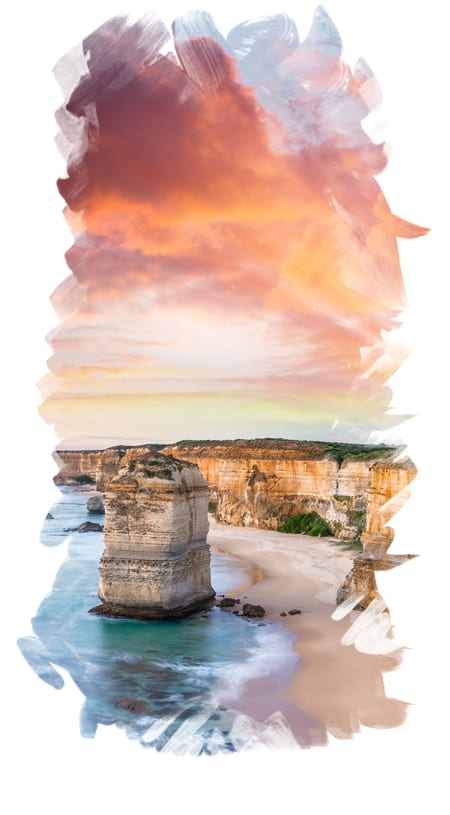
Although Canberra is the capital, the cities that hold a rivalry are Sydney and Melbourne. Though neither is the true capital of Australia, they are constantly battling it out for the country’s top spot. But with a nine hour drive between the two, most visitors only have the time to visit one of Australia’s two biggest cities. So which is the best choice for you?

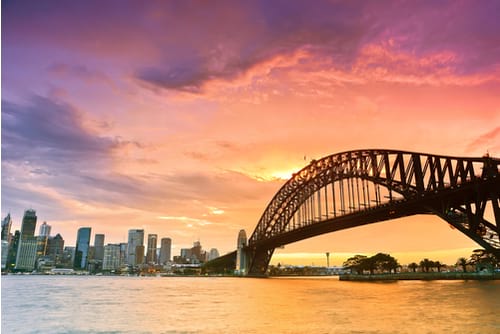
Sydney
Cheapest month / most expensive month Average cost per day of car hire in Sydney
| May | £14.40 |
| December | £19.00 |
State: New South Wales
Climate: Matching the city’s beautiful beaches is its plentiful amount of sunny, Vitamin D rich weather. So if you’re seeking flawless summer days, Sydney’s the place.
Iconic landmark: Sydney Opera House
What’s it known for: Sydney is known firstly for its standout landmarks, which really have become the icons for the whole of Australia. The city also boasts top urban beaches and an unforgettable waterfront.
Best nearby road trip: Grand Pacific Drive

Melbourne
Cheapest month / most expensive month Average cost per day of car hire in Melbourne
| September | £14.90 |
| December | £26.50 |
State: Victoria
Climate: Melbourne has its fair share of blissful days but on average, the city is known to experiences four seasons in one day. Pack for all weather conditions and watch out for the wind!
Iconic landmark: Queen Victoria Market
What’s it known for: Melbourne has managed to overthrow Sydney as Australia’s cultural capital, making it the place to visit for museums and galleries. The city’s reputation for having an unbeatable coffee scene is also undisputed.
Best nearby road trip: The Great Ocean Road

The smallest state
Tasmania
Australia’s isolated island state, Tasmania is the country’s small but enchanting jewel. Despite its size compared to mainland states, Tasmania manages to pack in an abundance of wild and diverse landscapes. Its natural beauty ranges from mountains to untamed coastline, while its food scene is among the country’s best, proving the island to be more than just a side attraction. Fly into Hobart, the island’s capital, pick-up your car rental and explore Tasmania.
Book your Australia car hire now
 Book by phone
+44 203 3186 960
Around Australia
Australia’s six states and two territories have each developed their own personalities and defining characteristics. But the country’s more isolated provinces have really refined their identities, finding ways to stand out against the country’s busier, more internationally known provinces.

Northern Territory
This frontier territory is where you’ll find pieces of Australia’s true outback. It’s famed for its national parks and Aboriginal history, and fully embodies a sense of isolation – only one percent of its land is inhabited. Darwin, the North’s capital, is the gateway to amazing landscapes, while the city of Alice Springs is the physical heart of Australia.
South Australia
The driest state on the driest continent, the South Australian heat can be unforgiving. Yet, vineyards here flourish, as does its art scene and abundant number of festivals. Over half of South Australians live in the state’s capital, Adelaide. The city is the launch point to the famous Kangaroo Island and surrounding wineries.
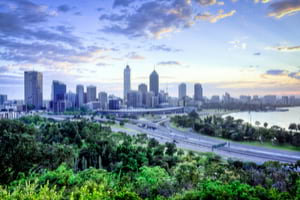
Western Australia
Australia’s largest state, the west is where the desert meets lush coastline. Its laid-back and youthful capital, Perth, is Australia’s fourth biggest city. Known for its sunshine and endless beaches, the city is gradually pulling more tourists to the west. If you’re seeking an easy-going outback vibe, this state is the place to be.

The classic state
Queensland
When dreaming up quintessential images of Australia – surfing, beaches, sun, nightlife
and wildlife – the Queensland coast is exactly what you’re picturing. The country’s
second largest state, Queensland is home to some of the best surf spots and the Great
Barrier Reef.
The state’s capital, Brisbane, is a spectacular starting point for some of Australia’s best coastal road trips. From the city, you can easily drive down the Gold Coast to Byron Bay or up the famed Sunshine Coast to Surfers Paradise. Whichever direction you choose, you can’t go wrong.
Alternatively, you can make your way to the tropical city of Cairns, which is considered the gateway to the Great Barrier Reef and superb rainforests.